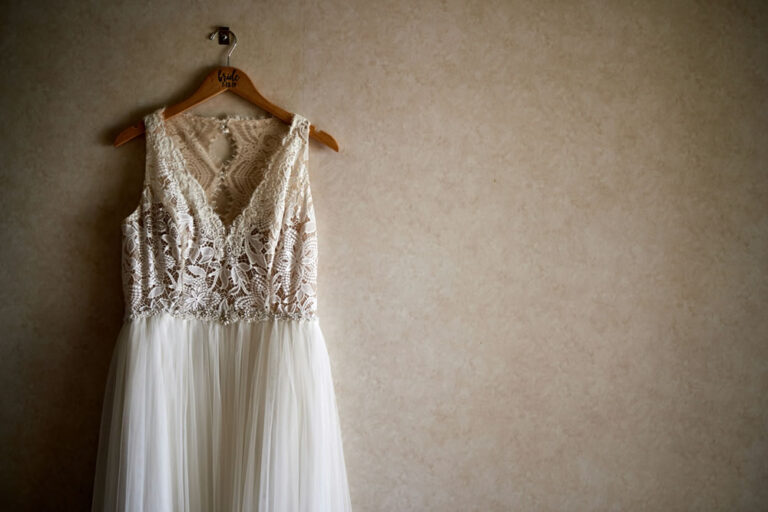
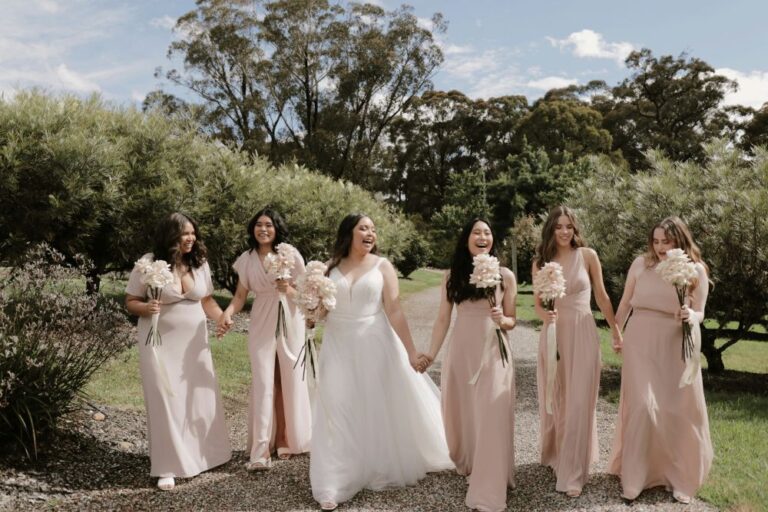
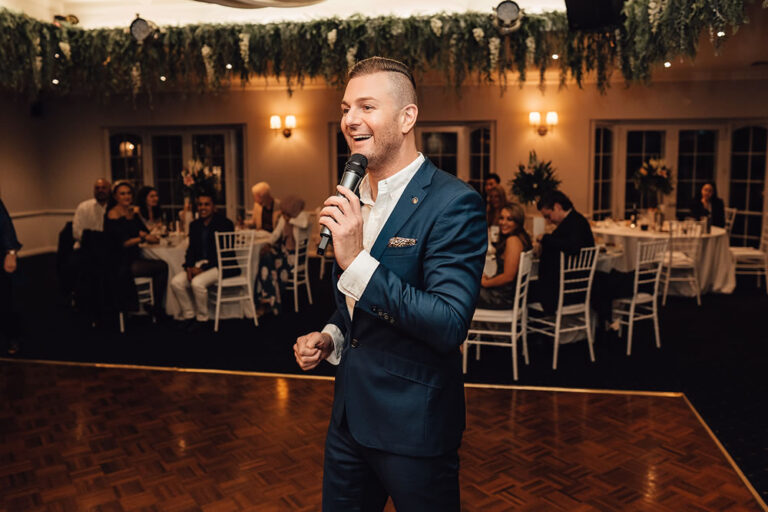
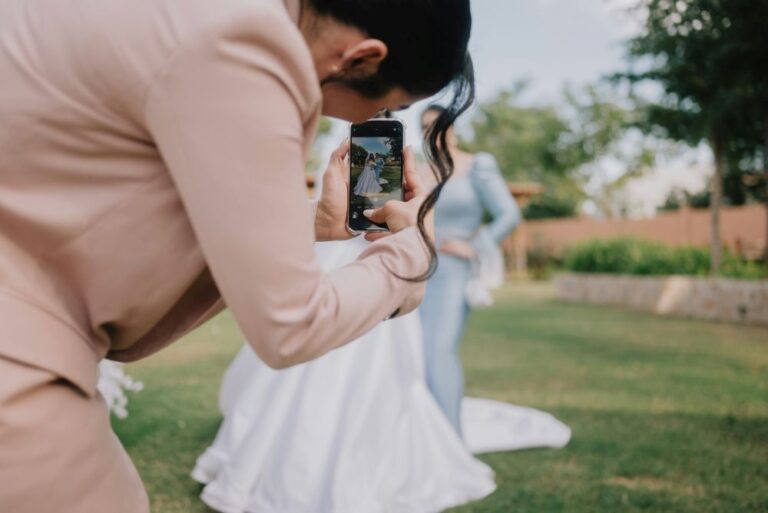
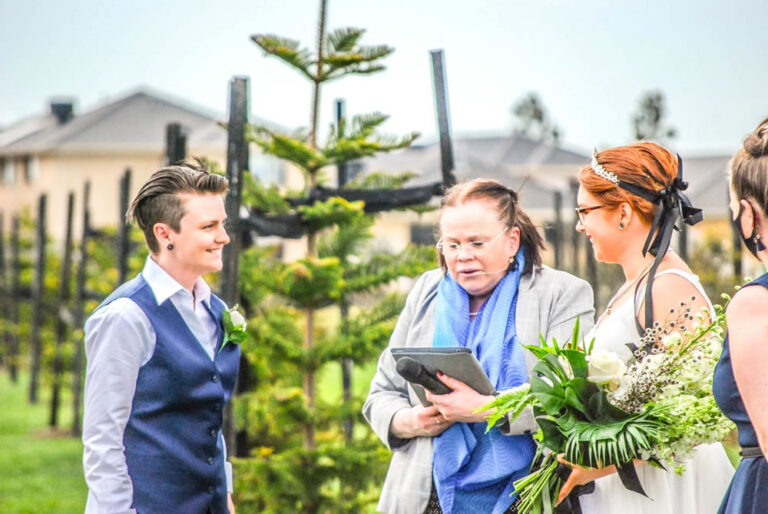
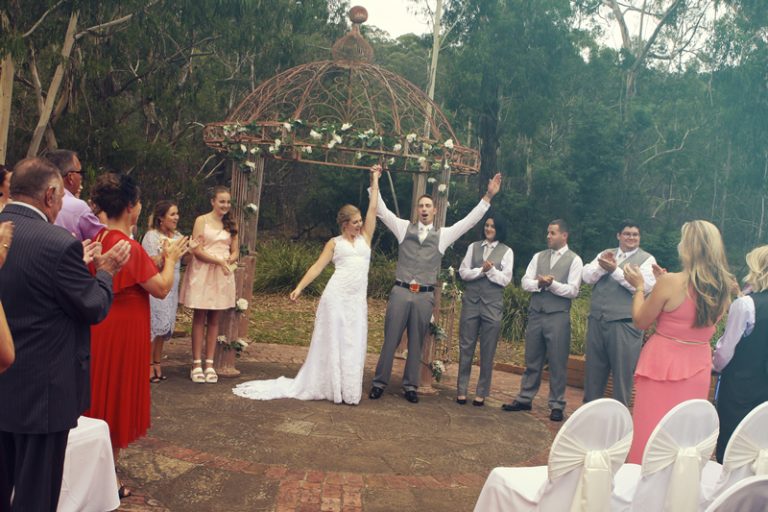
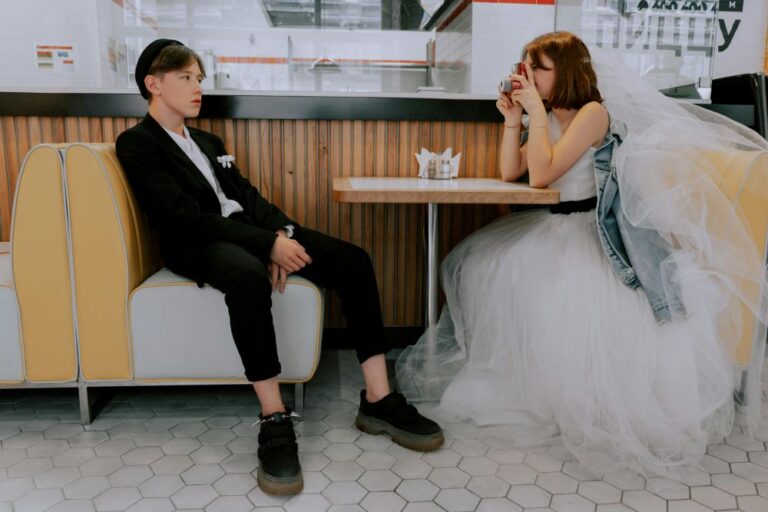
What you wear on your wedding day is one of the most personal decisions you will make in the entire planning process. It is the thing people will describe when they talk about your day. It is the first thing your partner will see when you walk towards them. It is what you will look at in photographs for the rest of your life.
Melbourne is a city with a strong point of view on fashion. The bridal industry here reflects that – boutiques are exceptional, the talent for bespoke and made-to-measure is world-class, and couples tend to approach their wedding attire with the same considered aesthetic they bring to everything else. The venue diversity is also remarkable: from grand heritage ballrooms in the CBD to converted industrial warehouses in Collingwood, Yarra Valley vineyard estates, Mornington Peninsula coastal properties, and intimate laneways. What works beautifully at one could look completely wrong at another.
This guide covers everything: bridal gowns and which wedding styles they suit, options for anti-brides and second weddings, groom attire from formal to relaxed, bridesmaid coordination, accessories, the alterations timeline, and how to communicate dress codes clearly to your guests.
Why Fashion and Attire Matter: Where to Start
Here is what couples often discover too late: attire planning takes longer than almost anything else in the wedding process. A bridal gown ordered from a boutique can take five to eight months to arrive. Alterations take weeks. Bridesmaids spread across Melbourne and interstate need coordination time. Groomsmen who leave suit hire to the last minute end up in ill-fitting jackets.
Your attire choices affect:
- Your timeline – bridal gowns, suits, and bridesmaid dresses all have lead times that catch couples off guard if they start late
- Your photography – what you wear is in every single photo and shapes the entire visual story of your wedding
- Your comfort – you will wear your outfit for eight to twelve hours, across Melbourne’s variable seasonal conditions. Comfort matters as much as aesthetics
- Your budget – attire for the full wedding party is one of the largest budget line items in Melbourne’s premium market, and it is easy to underestimate the total when you only think about the bridal gown first
- Your cohesion – how the bride, groom, wedding party, and accessories work together creates the overall visual of your wedding. Thoughtful coordination makes a real difference in photos
Start early, plan the full picture, and give yourself enough time to make considered decisions rather than rushed ones.
The Core Decision
Before you start visiting boutiques or browsing suit options, ask yourself:
1. What is the overall aesthetic you want? Classic and timeless? Modern and editorial? Industrial and moody? Bohemian and romantic? Luxe and glamorous? Melbourne’s venue diversity makes almost any aesthetic achievable, but your choice shapes every attire decision that follows.
2. What does your venue demand or inspire? A heritage ballroom calls for different attire than a Collingwood warehouse or a Yarra Valley estate. Let your venue set the formality register.
3. What is your total attire budget? Budget for the full picture before you start shopping: bridal gown, alterations, accessories, groom attire, groomsmen attire, bridesmaid dresses, and flower girl outfits if relevant. Melbourne’s premium market means total attire costs are often higher than in other states.
4. How much coordination do you want across the wedding party? Tightly coordinated colour palette, or cohesive-but-individual? Deciding this early makes bridesmaid shopping much smoother.
5. What is your priority: style, comfort, or budget? Knowing your priority helps when trade-offs arise. Melbourne couples often have a strong aesthetic point of view, and finding attire that delivers on style without sacrificing comfort is very achievable in this market.
The Bride: Gowns, Accessories, and Fittings
Bridal Gown Styles and Which Weddings They Suit
Understanding the basic silhouettes helps you communicate clearly with bridal consultants and narrows your search before you visit a boutique. Each style also naturally suits different wedding aesthetics – particularly important in Melbourne, where venue type shapes the ideal gown dramatically.
A-line – fitted at the bodice and flares gradually from the waist. The most universally flattering silhouette. Works at almost any venue and suits almost any body type. A reliable starting point if you are unsure where to begin.
Best for: classic and traditional weddings, garden events, Yarra Valley and Mornington Peninsula venues, almost any Melbourne setting.
Ballgown – fitted bodice with a full, dramatic skirt. The most formal silhouette. Magnificent at Melbourne’s heritage ballrooms and grand CBD venues. Can feel out of scale at intimate or industrial spaces.
Best for: luxe and glam weddings, black tie events, heritage and prestige Melbourne venues, brides who want a maximalist, statement look.
Fit and flare / mermaid – fitted through the bodice, hips, and thighs, then flares at the knee or lower. Dramatic and body-conscious. Stunning in photos. Try walking and sitting in this style before committing, as it restricts stride.
Best for: glamorous and luxe weddings, formal evening receptions, brides who love a sleek and sculpted aesthetic.
Sheath / column – straight, close-fitting silhouette with minimal flare. Clean, modern, and exceptionally strong in fine fabrics like crepe, silk, or satin. One of the most popular choices in Melbourne’s fashion-forward bridal market.
Best for: modern and minimal weddings, industrial and warehouse venues, contemporary urban aesthetics, brides who prefer a less traditional look.
Slip dress – relaxed, fluid, and effortless. Bias-cut or straight-cut slip dresses suit Melbourne’s arts-forward bridal community. Particularly beautiful in the Dandenong Ranges and Yarra Valley.
Best for: bohemian and garden events, intimate warehouse weddings with a relaxed aesthetic, outdoor Yarra Valley and hinterland venues, casual and non-traditional celebrations.
Tea-length / midi – hemline at mid-calf or ankle. Fresh and non-traditional. Increasingly popular for relaxed, retro-inspired, and smaller celebrations.
Best for: casual and intimate weddings, retro or vintage aesthetics, second weddings, garden parties, brides who want something lighter and less traditional.
Jumpsuit or separates – bridal jumpsuits and two-piece sets are firmly part of contemporary bridal fashion, and Melbourne’s fashion-forward culture means local boutiques carry excellent options. Practical, stylish, and genuinely striking in photos.
Best for: modern and non-traditional weddings, industrial and loft venues, contemporary warehouse aesthetics, brides who are uncomfortable in dresses, second weddings.
For Anti-Brides and Second Weddings
Not every bride wants a white gown, a veil, or a traditional silhouette. Melbourne is arguably the best city in Australia to find something non-traditional, with a strong independent bridal design community and boutiques that actively stock alternatives to convention.
Non-white gowns: Blush, soft grey, sage, sky blue, champagne, butter yellow, and bolder colours are all well within Melbourne’s contemporary bridal scene. If a coloured gown feels right, several Melbourne boutiques specifically stock non-white options, and made-to-order in custom colours is available through a number of local designers.
Separates and two-piece: A bridal skirt paired with a structured top or simple blouse gives you two distinct looks and enormous flexibility. Melbourne’s design talent is exceptional for this kind of personalised, considered approach. Wear the full combination for the ceremony and change the top for the reception.
Bridal suits and blazers: A well-tailored white or ivory suit, a blazer over wide-leg trousers, or a sharp pantsuit is a genuinely striking bridal choice that photographs beautifully. Melbourne brides wear this confidently and the local boutiques support it fully.
Cocktail and midi dresses: A shorter, less formal dress is entirely appropriate for intimate celebrations, elopements, and second weddings. Wear what makes you feel extraordinary, regardless of length or tradition.
For second weddings specifically: There are no rules. Many brides celebrating a second marriage choose something more relaxed, more personal, or more reflective of who they are now. Shorter lengths, softer colours, simpler silhouettes, and separates are all popular. Melbourne’s independent bridal designers are excellent at creating something that feels right for a second chapter.
Fabric and Melbourne Conditions
Melbourne’s famously unpredictable weather is a real consideration when choosing your gown fabric. The city’s “four seasons in one day” reputation is not an exaggeration. A spring outdoor ceremony in the Yarra Valley might be warm and sunny or unexpectedly cool. An autumn Mornington Peninsula event can turn cold quickly. Lighter fabrics like chiffon, georgette, and crepe work across a range of conditions. For outdoor or semi-outdoor venues, a bridal jacket, cape, or wrap is worth planning as an option, both for warmth and as a stylish accessory in its own right.
Bridal Accessories
Veil – one of the most transformative accessories in bridal fashion. A veil changes the entire look of a gown. Consider length, style, and whether you want to wear it for the full day or remove it after the ceremony. For industrial and warehouse venues, a cathedral or fingertip veil creates a beautiful contrast against raw architectural settings.
Shoes – comfort matters across a full wedding day. Consider heel height relative to how long you will be standing, and whether you will be on uneven surfaces. Many Melbourne brides choose a beautiful heel for the ceremony and portraits, then switch to something more comfortable for the reception. For industrial and warehouse venues, block heels and lower stilettos are more practical on concrete floors than thin heels.
Jewellery – let your gown guide your jewellery choices. A heavily embellished neckline needs minimal jewellery. A simple, clean gown has room for a statement piece. Consider whether you want something borrowed, something new, or a meaningful piece with sentimental value.
Hair accessories – combs, pins, headbands, crowns, and floral pieces are best finalised at your hair trial. Bring any accessories you are considering so you can see exactly how they work with your chosen style.
Other accessories – bridal jackets, capes, and detachable overskirts have returned strongly in contemporary fashion and work particularly well in Melbourne, where the weather can require a practical layer. A bridal jacket that looks intentional rather than improvised is a worthwhile investment for outdoor or evening events.
The Fittings and Alterations Timeline
When to order: Most Melbourne boutiques require five to eight months lead time. Some premium or bespoke designers require considerably more. Melbourne’s bridal market is one of the busiest in Australia; popular designers and boutiques fill fast. If your wedding is within six months and you have not ordered yet, look specifically for boutiques with strong sample or off-the-rack options.
First fitting: Usually two to three months before the wedding once the gown has arrived. Bring your wedding shoes to every fitting.
Subsequent fittings: Most gowns require two to four fittings, scheduled two to three weeks apart.
Final fitting: One to two weeks before the wedding. The gown should fit perfectly. Do not leave until you are completely happy.
Budget for alterations: Alterations are almost always additional to the gown price and can be significant. Hemming a layered gown, taking in a bodice, or adding bustle points can collectively cost $300 to $900 or more in Melbourne’s premium market. Ask for a realistic estimate before committing to the purchase.
The Groom and Groomsmen: From Formal to Relaxed
Reading the Room
The most important factor in groom attire is that the formality level aligns with the overall wedding. A tuxedo at a casual Yarra Valley outdoor lunch reception looks mismatched. A linen shirt and shorts at a formal heritage ballroom looks underdressed. Let the venue and overall aesthetic guide the formality decision.
Formal Options: Suit and Tuxedo
Suit – appropriate for most weddings from semi-formal to smart casual. Versatile and available in a wide range of fabrics and colours. A well-fitted suit in a quality fabric looks excellent at almost any Melbourne venue. Melbourne’s suit hire and made-to-measure market is exceptional; the quality available here is among the best in Australia.
Tuxedo – defined by satin or grosgrain lapels and worn with a bow tie. The formal choice for black tie or very formal evening events. More common in Melbourne than in most other Australian cities, given the prevalence of formal heritage venue weddings.
Colour considerations for Melbourne weddings:
- Navy – the most popular choice. Versatile, photogenic, and works across seasons and Melbourne’s wide range of venue types
- Charcoal or grey – classic and elegant. Works beautifully in Melbourne’s softer winter and autumn light
- Black – formal and timeless. Very much at home in Melbourne’s evening and winter wedding culture
- Tan, stone, or beige – relaxed and contemporary. Works well for outdoor and vineyard settings
- Burgundy, forest green, or other rich tones – Melbourne’s arts culture makes non-traditional suit colours more common here than elsewhere. A considered deep tone can look extraordinary at the right venue
Casual and Relaxed Options
While Melbourne leans more formal than Perth in its wedding culture, relaxed groom attire is entirely appropriate for garden parties, outdoor events, casual venue weddings, and couples who simply prefer a less structured look.
Shirt and trousers – a quality linen or cotton dress shirt paired with well-fitted chinos or linen trousers. Add a simple belt and clean leather shoes or loafers. Relaxed but considered. Works well for garden, outdoor, and casual venue weddings.
Shirt and shorts – less common in Melbourne than in Perth or Queensland, but entirely appropriate for very casual outdoor events, summer garden parties, and couples who prioritise a relaxed, personal aesthetic over formality. The key is quality fabric and sharp fit. A well-fitted linen shirt and coordinating shorts in quality fabric looks intentional and considered.
Open collar – removing the tie is fine for casual and outdoor weddings. An open collar on a quality shirt reads as relaxed and deliberate rather than unfinished. Without a tie, ensure the rest of the outfit is doing enough visual work on its own.
Accessories for casual looks: Styling details matter more when the outfit has less structure. A quality watch, a simple boutonniere, and well-considered shoes elevate a relaxed outfit considerably.
Buy vs Hire
Buying a suit – makes sense if the groom will wear it again, if a bespoke fit is important, or if the style is hard to find in hire ranges. Melbourne has exceptional made-to-measure options. Budget $500 to $1,400 for a quality off-the-rack suit, or $1,800 to $4,000 for made-to-measure.
Hiring a suit or tuxedo – practical for groomsmen and for achieving a consistent group look. Melbourne’s hire market is strong and quality has improved significantly. Budget $250 to $550 per person for a full hire package. Book well in advance for peak season dates.
Groomsmen Coordination
- Matching outfits – all groomsmen in the same suit or outfit. Clean and cohesive in photos
- Same colour, different shades – the groom in a slightly different shade to create visual hierarchy
- Same outfit, different accessories – groomsmen distinguished by tie, pocket square, or boutonniere colour
- Mix and match – coordinating colours or complementary styles. More common in Melbourne’s arts-forward wedding culture, where individual expression within a consistent palette is celebrated
For hired suits, begin the process at least three to four months before the wedding. For purchased or made-to-measure, six months is safer. All fittings should be complete two to three weeks before the wedding.
Groom Accessories
- Tie or bow tie – the most impactful styling detail after the suit itself
- Pocket square – adds polish. Complementary to the tie rather than identical
- Boutonniere – coordinate with your florist to reflect the bridal flowers and overall palette
- Belt or braces – a considered choice. If the jacket comes off during the reception, what is underneath matters
- Shoes – clean, polished, and appropriate for the setting. For industrial and warehouse venues, consider whether leather-soled dress shoes will work well on concrete or uneven surfaces
- Cufflinks – a personalised pair is one of the most common gifts between partners on the wedding day. Plan this in advance
The Wedding Party: Bridesmaid Dress Coordination
Choosing an Approach
Matching dresses – all bridesmaids in the same dress, colour, and fabric. Creates a clean, cohesive look in photos.
Same colour, different silhouettes – all bridesmaids in the same colour but choosing their own preferred silhouette. A popular contemporary approach that flatters different body types while maintaining visual cohesion.
Tonal palette – bridesmaids in different shades within the same colour family. Creates a relaxed, layered look. Works well for outdoor and bohemian aesthetics.
Mix and match – bridesmaids in different colours or styles that work together. Strongly suits Melbourne’s arts culture and the city’s general appreciation for individual expression within a considered overall aesthetic.
Practical Considerations
Bridesmaid dresses ordered through Australian boutiques typically take two to four months to arrive. Add alteration time and you need to start this process at least five to six months before the wedding. Melbourne’s premium market means quality bridesmaid options are available locally without needing to order internationally.
Be transparent about budget expectations upfront. Costs range from $180 for a simpler style to $500 or more for a premium option in Melbourne, before alterations. Consider Melbourne’s variable climate when choosing fabrics – a light chiffon that works beautifully in summer may not be comfortable for a cool autumn outdoor ceremony.
Wedding Guests: Understanding Dress Codes
Black tie – the most formal dress code. Tuxedos for men, formal floor-length gowns for women. More common in Melbourne than in most other Australian cities, given the prevalence of formal evening venue weddings.
Black tie optional – formal, with flexibility. Men may wear a tuxedo or a dark formal suit. Women should wear a formal gown or elegant cocktail dress.
Cocktail attire – the most common dress code for Melbourne weddings. Men in a suit and tie or blazer with smart trousers. Women in a knee-length to midi dress, dressy jumpsuit, or a smart combination.
Smart casual – genuinely confusing because it means different things to different people. Add a clarifying note if you use it.
Garden party or garden attire – relaxed, summery, and floral-friendly. Common for Yarra Valley, Mornington Peninsula, and Dandenong Ranges venue weddings.
Creative or fashion-forward – some Melbourne couples actively encourage guests to dress with personality and creativity. If this is your intention, say so plainly on your wedding website. Melbourne guests will embrace it enthusiastically.
Tips for communicating dress codes clearly:
- Include the dress code on your invitation or wedding website
- Add practical notes about the venue. “Cocktail attire, outdoor vineyard – please consider footwear and bring a layer” is genuinely useful for Melbourne events where the weather can change
- If you have colour preferences, note them on your wedding website
What Actually Works
Step 1: Set your total attire budget before you start shopping. Add up every line item before you walk into any boutique. Melbourne’s premium market means total attire budgets are often higher here than in other states. Know your number before you start.
Step 2: Start bridal gown shopping twelve to eighteen months before the wedding. Melbourne’s best boutiques and designers are booked well in advance. Popular designers may have waitlists. If your wedding is within eight months and you have not started, prioritise boutiques with strong off-the-rack or sample options.
Step 3: Shop with a focused aesthetic reference. Build a reference folder of ten to fifteen images that represent a consistent look. Bring this to every boutique appointment. Melbourne’s bridal consultants are skilled at translating a clear vision into the right recommendation.
Step 4: Say yes to the dress with enough time for alterations. Once your gown arrives, book your first fitting promptly. Budget twelve to sixteen weeks for the full alterations process. Always bring your wedding shoes to every fitting.
Step 5: Groom and groomsmen attire should be sorted six months out. Melbourne’s made-to-measure market requires more lead time than standard hire. For purchased or made-to-measure suits, six months is the minimum.
Step 6: Start bridesmaid dress conversations at least eight to ten months out. Order with at least five to six months before the wedding to allow for delivery and alterations.
Step 7: Shop for accessories after the gown has been fitted. Shoes, veil, jewellery, and hair accessories are best chosen once you know exactly what the gown looks like on you in person.
Step 8: Plan for Melbourne’s weather at every stage of attire planning. A bridal jacket, wrap, or cape is a worthwhile consideration for outdoor or semi-outdoor events. Ensure bridesmaids have a warm option if your ceremony is in a cooler month.
Step 9: Communicate dress codes clearly. Include the dress code and any practical venue notes on your invitations and wedding website. For Melbourne events with outdoor components, advise on layering.
Step 10: Consider a second outfit for the reception. Many Melbourne brides plan a more relaxed or dramatically different look for the reception, and Melbourne’s fashion culture fully supports this kind of considered style change.
Step 11: Confirm all hire bookings in writing. Pick-up dates, return dates, and each groomsman’s responsibilities. Clear written confirmation prevents last-minute problems.
Step 12: Prepare a wedding day emergency kit. Safety pins, clear tape, a stain removal pen, spare comfortable shoes, and needle and thread in the wedding party colours. Wardrobe malfunctions are easily resolved with the right kit.
Budget reality breakdown (Melbourne):
Bride:
- Bridal gown (boutique, new order): $2,500 to $7,000+
- Bridal gown (sample sale or off-the-rack): $800 to $3,000
- Alterations: $350 to $900+
- Veil: $200 to $800+
- Shoes: $150 to $600+
- Jewellery and accessories: $150 to $700+
Groom:
- Suit hire (full package): $250 to $550
- Suit purchase (off-the-rack): $500 to $1,400
- Made-to-measure suit: $1,800 to $4,000+
- Casual outfit (shirt, trousers or shorts): $200 to $700
- Accessories (tie, shoes, cufflinks): $200 to $600
Wedding party:
- Bridesmaid dresses (per person): $180 to $500+
- Groomsmen hire (per person): $250 to $550
- Flower girl outfit: $60 to $250
Melbourne-specific considerations:
- Melbourne has one of the best bridal boutique landscapes in Australia, with a particularly strong independent and made-to-measure scene. Take time to explore beyond the mainstream options
- Melbourne’s weather variability is real. Plan a contingency layer for outdoor and semi-outdoor events, and advise guests accordingly
- Venue diversity means formality requirements vary enormously. A Collingwood warehouse wedding demands very different attire to a Yarra Valley estate or a CBD heritage ballroom. Let your venue guide every attire decision
- Melbourne’s fashion-forward culture supports non-traditional and bold bridal choices more strongly than most other Australian cities. Anti-bride options are well-catered for here
- Book 12 to 18 months out for peak seasons (October to December and March to May)
Final Thoughts
What you wear on your wedding day tells a story. In Melbourne, that story can be told in a grand ballgown at a heritage venue, a sculptural column gown at an industrial warehouse, a relaxed slip dress at a Yarra Valley estate, or a sharp tailored suit that reflects exactly who you are. All of them are right. The one that feels completely like you is the one to choose.
Start early. Set a realistic total budget before you shop. Make considered decisions rather than rushed ones. And take full advantage of the exceptional bridal talent this city has to offer.
Ready to find your Melbourne bridal boutique, suit specialist, or bridesmaid dress supplier? Explore our directory of Victorian fashion and attire professionals and read reviews from real couples who have celebrated with them.
👉 Start exploring Melbourne wedding fashion and attire specialists
Further Reading
- The Wedding VIC Insider: The Secret Language of Your Wedding Jewellery
- The Wedding VIC Insider: The Second Look (A Strategic Vibe Shift)
- Celebrity-Inspired Bucks Party Ideas for Modern Grooms – Melbourne Edition
- Celebrity-Approved Accessories to Elevate Your Wedding Look – Melbourne Edition
- Celebrity-Inspired Groom Looks for Every Wedding Style
- What Your Bridal Style Says About You – Celebrity Edition (Melbourne)
- 👰 70 Stunning Melbourne Wedding Dress Inspiration Ideas (2026) – Wedding Inspo Gallery
- 10 Bridal Party Styling Tips for Melbourne Weddings
- 👰 6 Best Boutiques to to Find a Wedding Dress in Melbourne (2026)
- The Ultimate Melbourne Groom Guide: The Things Nobody Actually Tells You
Starting Points
- Melbourne Wedding Cakes: Where to Start
- Melbourne Wedding Stationery and Design: Where to Start
- Melbourne Wedding Hair and Beauty: Where to Start
- Melbourne Wedding Videography: Where to Start
- Melbourne Wedding Music & Entertainment: Where to Start
- Melbourne Wedding Catering + Food & Beverage: Where to Start
- Global Wedding Inspiration: How to Bring the World Home to Melbourne
- Melbourne Wedding Flowers & Styling: Where to Start
- Melbourne Wedding Photography: Where to Start
- Melbourne Wedding Celebrants: Where to Start
Next Step
Explore Vendors
Whether you’re planning a small, intimate gathering or a grand celebration, Wedding VIC has the perfect suppliers to help you create a truly memorable event in Melbourne and Victoria. So start browsing our directory today and find everything you need to make your special day unforgettable.