
You’ve decided on a marquee. Smart move, it solves weather problems, creates a dedicated event space, and looks genuinely lovely. But here’s what nobody tells you: hiring a marquee in Melbourne is about more than just picking a size and hoping for the best. The real cost involves equipment you didn’t know existed, quantities that seem excessive until you’re serving drinks, and decisions about hiring versus DIY that fundamentally change your stress level.
This is the guide Melbourne couples don’t find until they’re already halfway through planning (usually while overthinking every detail on a rainy Wednesday afternoon).
Marquee Basics: What You’re Actually Hiring
When you call a Melbourne marquee company and say “60-person wedding,” you’re not just getting a tent. You’re getting fabric, frame, and a framework for stress. Let’s break down what actually arrives.
The Marquee Itself
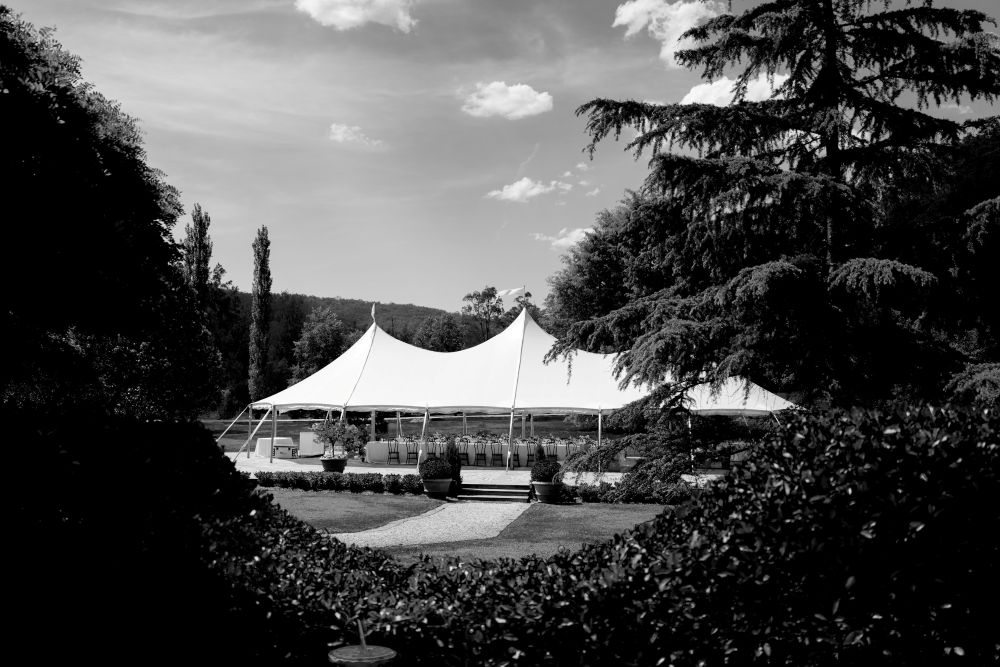
A marquee is a freestanding frame tent. It looks like a grown-up version of the school fair tent, except it costs thousands and needs to handle Melbourne’s genuinely unpredictable weather.
Standard sizes for Melbourne backyard events:
- 6x9m ($2,200–$2,800): Fits approximately 40–60 people standing (for cocktail hour); 30–40 seated with tables. Too small for 60 for a full event.
- 9x12m ($3,200–$4,200): The “actually comfortable” size. Fits 60–80 people standing; 50–60 comfortably seated with space for bar/buffet.
- 6x15m or 9x15m ($3,800–$5,000): If you need separate zones (ceremony + reception) or have 80+ guests.
Melbourne contractors will tell you what size works for your guest count, but here’s the real question: what are you actually doing inside?
If you’re doing:
- Cocktail hour (standing) + seated dinner = 9x12m minimum
- Ceremony + reception (even if small) = 9x12m or larger
- Heavy catering/buffet = 9x12m (you need space for tables outside the dining area)
A 6x9m works if guests are in and out quickly. Otherwise, it feels crowded and catering becomes a nightmare.
What Comes With (and What Doesn’t)
Always included in Melbourne marquee hire:
- Frame and fabric
- Setup and takedown
- Basic flooring (sometimes; confirm)
- Lighting (basic or none, depending on company)
Almost never included (budget separately):
- Side panels/weather protection
- Tables and chairs
- Tableware (plates, cups, cutlery, glassware)
- Proper lighting
- Heating or cooling
- Flooring upgrades (better surfaces if ground is uneven)
Conditional add-ons:
- Entrance/exit vestibule (keeps weather from door)
- Side panels (lightweight or reinforced, depending on needs)
- Guttering and downpipe system (for rain management)
- Heating systems (essential for winter/spring events)
- Flooring upgrades (important in wet conditions)
Melbourne-Specific Climate Considerations
Melbourne’s weather is famously unpredictable. The saying goes: “If you don’t like the weather, wait 20 minutes.” This affects marquee planning significantly.
Weather Unpredictability (The Core Issue)
The reality: Melbourne can genuinely shift from clear to rainy to windy within hours. September–November (spring) and October–November especially are chaotic weather-wise. December–February (summer) is more predictable but still unpredictable. March–April (autumn) can surprise you. May–August (winter) is cooler but more rain-likely.
What Melbourne marquee companies know:
- Weather forecasting in Melbourne is genuinely difficult; contractors plan for multiple scenarios
- Wind in Melbourne isn’t like Perth’s predictable Fremantle Doctor; it’s random
- Rain can be light drizzle or serious downpour; planning for both is necessary
- Temperature swings are real (you might go from 15°C to 28°C in one day)
- November is the worst month weather-wise: unpredictable, chaotic, frustrating
What you need to budget for (depends on season):
Spring (September–November) — Most Unpredictable:
- Full side panels (lightweight or reinforced): $600–$1,200
- Guttering and downpipe system: $400–$700 (essential in spring rain)
- Heating (optional but smart for September/early October): $400–$800
- Flooring upgrade: $300–$600 (spring rain softens ground)
- Spring contingency mindset: have full backup plan
Total spring weather management: $1,700–$3,300
Summer (December–February) — Mostly Predictable, Still Risky:
- Side panels (lighter weight, for wind): $500–$1,000
- Extra shade/cooling (optional but makes difference): $300–$600
- Flooring (standard unless ground exceptionally soft): $0–$300
Total summer weather management: $500–$1,900
Autumn (March–April) — Variable But Acceptable:
- Side panels (moderate weight): $500–$1,000
- Guttering (optional; spring has finished): $200–$400
- Flooring (acceptable unless extremely wet): $0–$300
Total autumn weather management: $500–$1,700
Winter (May–August) — Cold and Wet:
- Side panels (standard): $500–$1,000
- Heating system: $600–$1,200 (essential for comfort)
- Guttering and downpipe: $400–$700 (winter rain is heavy)
- Flooring upgrade: $400–$700 (winter ground is soft/muddy)
Total winter weather management: $1,900–$3,600
Heat Management (Relevant Summer-Only)
December–February can get warm (25–35°C) but isn’t extreme like Perth/Brisbane. Still worth planning for.
What you might need (summer only):
- Side panels with ventilation: $600–$1,000 (helps with airflow)
- Portable fans: $300–$500 (hire 2–3 for circulation)
- Extra ice supply: $100–$200 (less critical than other states)
- Water stations: $200–$400 (useful but not emergency infrastructure)
Total summer cooling add-on: $1,200–$2,100 (optional; Melbourne heat isn’t extreme)
Wind Management (Year-Round Consideration)
Melbourne wind is unpredictable but not extreme. It’s not Perth’s Fremantle Doctor, but afternoon winds exist.
What you need:
- Standard side panels: $500–$1,000 (provides wind break)
- Proper anchoring: usually included; confirm with contractor
- Wind contingency plan: have one, but it’s less critical than Perth
Total wind management: $500–$1,000
The Real Numbers: What You’re Actually Hiring & The Hidden Quantity Problem
Here’s where couples consistently underestimate: your guest count does NOT equal your equipment count.
Most couples think: “60 guests = 60 chairs, 60 plates, 60 wine glasses.”
Reality: You need extras for staff, backup quantities for breakages, and different equipment for different service styles. Melbourne’s variable weather means more equipment gets damaged or needs backup.
Chairs
What couples think they need: 60 chairs
What they actually need: 70–75 chairs
Why the extra 15%?
- 4–6 chairs for venue staff (caterer, bar staff, coordinator)
- 2–3 extra for inevitable late arrivals or last-minute additions
- 3–4 backup chairs for breakages (weather affects chair durability; rain/wind damage happens)
- 2–3 comfortable chairs in covered areas for guests avoiding weather
- Elderly guests or anyone uncomfortable need seating options
Melbourne chair hire cost:
- Standard event chairs: $4–$6 per chair
- For 70 chairs: $280–$420
- Upgrade to Chiavari/nicer chairs: $8–$12 per chair
- For 70 chairs: $560–$840
If you’re hiring via your marquee company (package deal): usually $300–$500 for 60–70 chairs included.
Tables
What couples think they need: 60 guests ÷ 10 per table = 6 tables
What they actually need: 8–9 tables
Why?
- 1 gift/welcome table
- 1 bar table
- 1 catering prep table (hidden from guests but necessary)
- 6 dining tables for 60 guests
- 1 extra table for miscellaneous (drink service station, coat storage, etc.)
- Total: 10 tables minimum
Melbourne table hire cost:
- Round tables (6 people per table): $50–$80 per table
- For 9 tables: $450–$720
- Rectangular tables (8 people per table): $40–$60 per table
- For 9 tables: $360–$540
If hiring via marquee company: usually $250–$400 for the set included.
Cutlery (The Issue Nobody Discusses)
What couples think they need: 60 forks, 60 knives, 60 dessert spoons
What they actually need: 90–105 pieces per setting
Why?
- 60 guests × 1 setting = 60
- 6 staff members × 1 setting = 6
- Breakages during washing/drying = 10–12 pieces (Melbourne’s catering scene handles this regularly)
- Dropped items = 6–8 pieces
- Extras for service overflow = 8–10 pieces
- Total: 90–105 pieces per utensil type
If you’re serving:
- Starter (fork) + Main (fork + knife) + Dessert (spoon + maybe fork) + Bread (knife)
- That’s 5 pieces of cutlery per guest per course if you’re being formal
Melbourne cutlery hire:
- Basic cutlery hire: $0.50–$1 per piece
- For 100 pieces across all types: $50–$100
- Premium cutlery: $1–$2 per piece
- For 100 pieces: $100–$200
Most Melbourne catering companies include cutlery. If DIY: hire it.
Crockery (Plates, Bowls, Cups)
What couples think they need: 60 dinner plates, 60 bowls, 60 cups
What they actually need: Much, much more
Actual breakdown for a 60-person event:
Dinner service:
- 60 starter plates
- 60 dinner plates
- 60 dessert plates
- 60 bread plates
- 12–15 extra of each (breakages/overage)
- Subtotal: 300 plates
Glassware (this is the big hidden cost):
Most couples think: “60 wine glasses, 60 water glasses, done.”
Reality for a 6-hour Melbourne event (considering potential weather delays, extended cocktail hours):
- Water glasses: 70–80 (people drink throughout; some use multiple)
- Wine glasses (red/white, if offering both): 110–130 (people switch varieties, drop them, have multiples)
- Champagne flutes: 70–80 (for aperitif/toast, extra for staff/spills)
- Beer glasses/tumblers: 40–50 (if serving beer)
- Extra glasses for bar setup and circulation: 20–30
- Total glassware needed: 310–370 pieces
Melbourne crockery/glassware hire:
- Basic plates: $0.30–$0.50 per piece
- For 300 plates: $90–$150
- Glassware: $0.40–$0.80 per piece
- For 340 glasses: $136–$272
- Premium options: double these prices
- Total for plates + glasses: $226–$422
If catering is handled: caterer usually provides. If DIY: hire separately or buy (buying is usually cheaper for one-off events).
Linen/Tablecloths
What couples think they need: Tablecloths for each table
What they actually need: Tablecloths + overlays + napkins (lots of napkins)
Melbourne linen hire:
- Tablecloths (round or rectangular): $8–$15 per table
- For 9 tables: $72–$135
- Overlays (for styling): $5–$8 per table
- For 9 tables: $45–$72
- Napkins: $1–$2 per piece
- For 80 napkins (extras for spills/cleanup): $80–$160
- Total linen: $197–$367
Melbourne’s design-focused culture means linen choices matter aesthetically; premium options are worth considering.
Drinkware for Different Service Styles
This is where quantities get genuinely confusing because it depends on how you’re serving:
Scenario 1: Pre-Dinner Cocktail Hour (60 minutes) + Seated Dinner (90 minutes)
Cocktail hour needs:
- Cocktail glasses: 70–80
- Highball/tumbler glasses: 50–60
- Wine glasses: 40–50
- Beer glasses: 30–40
- Subtotal: 190–230 cocktail glasses
Seated dinner needs:
- Water glasses: 60–70
- Wine glasses (red): 60–70
- Wine glasses (white): 60–70 (if offering both)
- Subtotal: 180–210 wine service glasses
Total for this service style: 370–440 pieces of glassware
Melbourne cost: $148–$352 depending on quality
Scenario 2: Aperitif Champagne + Wine With Dinner Only (No Cocktail Hour)
Glassware needed:
- Champagne flutes: 70–80
- Wine glasses (red): 65–75
- Wine glasses (white): 65–75
- Water glasses: 60–70
- Total: 260–300 pieces
Melbourne cost: $104–$240
Scenario 3: Full Bar All Night (Cocktail Hour + Dinner + Dancing)
This is the most glassware-intensive scenario:
- Cocktail glasses: 80–100
- Highball/tumbler glasses: 80–100
- Wine glasses (red): 70–80
- Wine glasses (white): 70–80
- Beer glasses: 50–60
- Champagne flutes: 40–50
- Specialty glasses (martini, margarita, etc.): 20–30
- Water glasses: 80–100
- Total: 470–600 pieces
Melbourne cost: $188–$480+
The critical insight: Most couples underestimate glassware by 30–50%. You need significantly more than your guest count, especially for longer events (which Melbourne’s variable weather might create).
DIY vs Hired Help: The Exhaustion Calculator
This is the decision that defines your wedding experience. Let’s be honest about both options in Melbourne’s specific context.
Full DIY Setup & Service (You & Family Handle Everything)
What this actually means:
- You set up all equipment the day before/morning of
- You manage food prep, plating, serving
- You wash dishes (limited facilities + potential weather complications = nightmare)
- You break down at 11 PM when you’re exhausted
- Family members are stressed, not enjoying the event
- You spend 50% of your wedding day in logistics
- If weather turns, you’re managing chaos while trying to look happy
Melbourne costs (equipment only):
- Chair/table hire: $350–$500
- Crockery/glassware hire: $250–$400
- Cutlery hire: $60–$120
- Linen hire: $200–$300
- Food prep equipment rental: $200–$400
- DIY infrastructure total: $1,060–$1,720
Hidden DIY costs (Melbourne-specific):
- Portable dishwashing setup (rent or buy): $400–$800
- Extra ice: $100–$200
- Cleaning supplies (afterwards, it’s a mess): $100–$200
- Emergency supplies (forgot something, multiple runs to shops): $200–$500
- Weather contingency supplies (extra towels, umbrellas, etc.): $100–$300
- Your mental health: priceless (and compromised)
Real DIY total: $1,960–$3,720 + family stress + your exhaustion + potential weather-related chaos
Who this works for:
- Very small weddings (under 30 people)
- Family who genuinely enjoys catering and service
- Couples who’ve done this before
- Events where simplicity is the actual goal (not “budget” goal)
Who this doesn’t work for:
- 60+ person events
- Melbourne’s unpredictable seasons (weather creates complications)
- Couples who value their own wedding experience
- Anyone wanting to actually enjoy their event
Semi-DIY (You Provide Food, Someone Else Services)
What this means:
- You (or a family member who’s good at cooking) prepare food
- Professional caterer or service company handles setup, serving, cleanup
- You’re present but not exhausted
- Guest experience is professional
- Your family can actually enjoy the event
- Critical in Melbourne: caterer adjusts for whatever weather shows up
Melbourne costs:
- Catering service (setup + service + cleanup, no food): $600–$1,200
- Equipment hire: $1,060–$1,720 (same as above)
- Food costs: $2,000–$3,500 (for 60 people, home-prepared)
- Semi-DIY total: $3,660–$6,420
Savings vs full catering: $2,000–$4,000 (sometimes)
Hidden costs (Melbourne-specific):
- Time spent cooking (30+ hours, potentially in variable weather stress)
- Stress of not knowing if food will be ready in time
- Weather concerns (will you have time to finish? will conditions affect prep?)
- Last-minute problems with no professional backup
- Melbourne caterer coordination (confirming they’ll work with your food prep)
Who this works for:
- Families with cooking skills
- Couples who trust their cooking ability under pressure
- Events where the food story is important
- Smaller budgets with manageable guest counts
Who this doesn’t work for:
- Melbourne’s peak season chaos (November especially)
- Couples without cooking confidence
- Events with dietary restrictions (complicated at scale)
- Anyone who doesn’t want to spend a month meal-prepping
Full Service (Professional Caterer Handles Everything)
What this means:
- Professional caterer provides food, equipment, service, cleanup
- You show up and enjoy your event
- Any problems are the caterer’s responsibility
- Guest experience is smooth and professional
- You’re present the entire time; you’re not stressed
- Caterer manages weather contingencies professionally
Melbourne costs:
- Full catering (food + service + equipment): $3,500–$7,500 (for 60 people)
- Marquee: $3,200–$4,200
- Full service total: $6,700–$11,700
Hidden costs: Essentially none. The caterer manages everything.
Who this works for:
- Anyone who wants to enjoy their wedding
- Melbourne’s peak season events (caterers know how to navigate November chaos)
- Couples without cooking/logistics confidence
- Events where guest experience matters most
- Basically anyone who can afford it
Who this doesn’t work for:
- Extremely tight budgets
- Couples who genuinely care about doing it themselves
- Events where the food story is about home cooking
The Honest Verdict for Melbourne
For Melbourne weddings with 60 guests:
DIY is romantic in theory, exhausting in practice, and complicated by Melbourne’s weather unpredictability. Most couples who go full DIY regret it or have a family member who does. Semi-DIY works if you have someone genuinely invested in cooking. Full service costs more but buys you your own wedding back, and Melbourne’s variable weather makes professional coordination genuinely valuable.
A realistic compromise for many: hire a caterer for service (they handle plating, serving, cleanup, weather contingencies) but do a simplified menu you’ve partly prepped. Cost: $1,500–$3,000 extra. Worth: absolutely, especially during peak season.
Hidden Costs Nobody Mentions
Beyond equipment hire, there are costs that sneak up on couples in Melbourne specifically.
Waste Management
What couples think: “The caterer handles rubbish.”
Reality: You need to explicitly plan waste.
Melbourne situation:
- General waste: $150–$300 for collection/disposal
- Recycling: might be included, might not
- Compost (if your catering company cares): $50–$100 extra
- If there’s no collection arranged, you’re left with 400+ pieces of rubbish
- Your parents’ bins cannot handle a 60-person event’s waste
Hidden cost: $150–$400
Weather Contingency Setup (Melbourne-Specific)
If weather turns while the event is running:
- Moving tables indoors = chaos without planning
- Wet guests = someone needs to provide towels/umbrellas ($150–$300)
- Guest comfort stations (heating if cold, cooling if heat wave) = extra infrastructure ($300–$600)
- Extended cocktail hour if dinner delayed by weather = extra catering/drinks ($200–$500)
Hidden cost: $650–$1,400 for genuine contingency
Parking Overflow Management (Inner Suburbs)
If you’re in South Yarra, Prahran, Fitzroy, Carlton, Collingwood, or similar:
- Parking management: $300–$800
- Neighbourhood relation management: priceless
Peak Season Surcharge (November Specifically)
If booking November:
- Everything costs 30–50% more
- Contractor availability is limited
- Emergency alternatives are expensive
Hidden cost: Already built into higher base prices, but recognize it’s not coming back
Cleanup Damage
What sometimes happens:
- Marquee flooring gets damaged (soil underneath, water + weight + Melbourne mud = damage)
- Tables/chairs get scuffed/stained
- Marquee has wear (small tears, etc.)
- Outdoor ground damage (people dancing on softened grass)
What you might be charged:
- Minor flooring damage: $200–$500
- Chair damage (broken leg, torn fabric): $50–$200 per chair
- Marquee damage: $300–$1,000
- Ground restoration: not usually charged, but your parents might care
Mitigation: Specify damage waivers upfront; photograph everything beforehand; use protective flooring.
Hidden cost: $0–$1,500 (if nothing goes wrong: $0; if it does: substantial)
DIY Equipment Replacement
If you’re doing your own service and something breaks:
- Broken plates (during service): $20–$100 to replace mid-event
- Spilled food requiring extra supplies: $50–$200
- Running out of supplies: emergency runs (time-consuming + costly)
- Equipment failures: rental backup might cost more
Hidden cost: $200–$500 if things go wrong
Contingency Power Supply
If your event is ambitious (DJ + multiple catering stations + heating):
- Standard power might not be enough
- Upgrading to ensure adequate power: $200–$500 extra
- Dedicated power for heating (winter events): $300–$600
Hidden cost: $200–$1,100 if you’re power-intensive
Frequently Asked Questions (FAQs): Melbourne Marquee Hiring
Do I need side panels in Melbourne, or is the forecast usually fine?
Melbourne’s weather is genuinely unpredictable. Side panels ($600–$1,200) are insurance. Spring (September–November) absolutely needs them, rain and wind happen. Summer mostly doesn’t need them (though they help with ambient temperature). Budget for them; you’ll thank yourself if weather turns.
How far in advance do I book a marquee in Melbourne?
Peak season (September–November, December): 12–16 weeks, but honestly book earlier if possible—November especially fills fast. Off-season (May–August, March–April): 10–12 weeks. Peak season pricing can surge; off-season has more availability and better rates.
Is November really that chaotic for booking?
Yes. November is Melbourne’s most popular wedding month AND its most unpredictable weather month. Spring is beautiful, demand is peak, and contractors are booked solid. If you can avoid November, you’ll have more contractor choice and better pricing. December–February are easier to book but pricier.
Do marquee companies provide setup?
Yes. Setup time varies: 2–4 hours depending on size and complexity. Takedown: 1–2 hours. Ask if they stay during the event (most don’t; you hire a coordinator separately if needed).
What’s the difference between hiring everything through the marquee company vs hiring separately?
Marquee company packages (marquee + tables + chairs + basic equipment) are usually 10–15% cheaper than hiring separately. But customization is limited. Separate hiring gives you choice; marquee company gives you simplicity.
Melbourne reality: Most couples do marquee + catering through their caterer (who has preferred equipment partners). This often works better than marquee company packages because caterers coordinate weather contingencies.
Can I use my own furniture/tables/chairs?
Most marquee companies allow it, but there are risks:
– No damage protection (if your own stuff breaks, it’s on you)
– Setup becomes complicated (they might not fit the space properly; Melbourne weather affects positioning)
– Insurance issues (some catering companies won’t work with outside furniture due to liability)
Cost calculation: Your own furniture is only cheaper if it’s already yours. Hiring is safer.
How much glassware do I actually need?
See the detailed breakdown above, but short answer: multiply your guest count by 5–6. For 60 guests: 300–360 pieces of glassware. Yes, really. And consider longer service times if weather delays the event.
What if rain is heavy during the event?
Marquee with side panels handles light-to-moderate rain. Heavy rain with wind: guests might get uncomfortable depending on panel type. Guttering ($400–$700) helps. Flooring becomes critical if ground is soft (upgrade to raised flooring: $300–$600).
Should I budget for heating?
Depends on season:
– November–February (summer): optional; probably not necessary unless you’re very heat-sensitive
– September–October (spring): smart to have on standby; can be cold, especially evenings
– March–April (autumn): semi-necessary for comfort
– May–August (winter): essential; non-negotiable ($600–$1,200)
Recommendation: Winter events definitely budget heating. Spring events smart to include it. Summer events optional but nice to have.
Do I need a portable dishwashing station?
If you’re doing service yourself or semi-DIY: absolutely. 300+ pieces of glassware + limited house facilities = you need a dedicated setup. Hire one ($400–$800) or rent a portable system.
How do I avoid breakages?
You can’t entirely, but:
– Hire extras (10–15% overage for breakages)
– Use cheaper rental plates/glasses (breakages hurt less)
– Hire professional staff to handle service (they’re trained)
– Have a cleanup station away from the marquee
Cost of breakage protection: $200–$400 in extra equipment hire.
What’s the Melbourne difference for different seasons?
Spring (September–November): Unpredictable weather; budget $1,700–$3,300 for contingencies; peak season pricing
Summer (December–February): Mostly predictable; budget $500–$1,900; higher demand but less weather stress
Autumn (March–April): Variable but acceptable; budget $500–$1,700; good balance of availability and price
Winter (May–August): Cold and wet; budget $1,900–$3,600 for heating/flooring; cheapest season
Should I choose a 6x9m or 9x12m marquee in Melbourne?
For 60 guests:
6x9m = feels crowded for a full event, works if using adjacent indoor spaces
9x12m = comfortable, allows separate zones (bar, dining, dance area), better weather contingency space
Recommendation: 9x12m if budget allows. It’s $600–$1,000 more; worth it for comfort and flexibility.
Can I hire a marquee just for weather backup (but mostly expect to be outdoors)?
Possible, but confirm pricing: some companies charge full rate anyway. Melbourne weather being unpredictable means a marquee is often smart infrastructure, not just backup.
What’s included vs what’s extra?
Standard package usually includes:
– Frame, fabric, setup/takedown
– Basic flooring (grass or gravel, not raised)
– No lighting, no heating, no side panels
Always extra:
– Lighting (marquee LED or string lights)
– Side panels/weather protection
– Heating (essential for winter; recommended for spring)
– Flooring upgrades
– Internal furniture (usually; some packages include basic tables/chairs)
Ask explicitly: “What’s included in your base hire?” You’ll be surprised how often you misunderstand.
How do I plan for November peak season?
– Book 16+ weeks out (earlier if possible)
– Accept higher pricing (30–50% premium)
– Have flexible contingencies (weather is genuinely unpredictable)
– Consider alternative months if possible (December, September, April offer better availability and value)
Can weather affect marquee setup or cause cancellation?
Yes to setup complications; rarely to full cancellation. Contractors have protocols for rain/wind. Severe weather (dangerous winds, dangerous rain) might cause postponement. Most contracts have weather clauses; read them carefully.
Melbourne Marquee Hiring Checklist
14 weeks before: (Earlier in peak season)
- Book marquee immediately (peak season fills FAST)
- Confirm size fits your event layout
- Ask about side panel options and seasonal recommendations
- Get clarity on weather contingency protocols
12 weeks before:
- Decide: side panels? Heating? Season-specific add-ons?
- Get written quote with all add-ons listed
- Ask about damage waivers and insurance
10 weeks before:
- Book catering (they’ll coordinate with marquee company)
- Finalize menu and guest count
- Calculate equipment needs (see above)
- Book additional equipment (tables, chairs, crockery, glassware)
8 weeks before:
- Confirm all supplier arrival times with family
- Check seasonal weather patterns for your date
- Plan waste management with caterer
6 weeks before:
- Do site visit with marquee company
- Confirm power access, water access, delivery vehicle access
- Discuss setup logistics and weather contingencies
- Discuss any season-specific needs
4 weeks before:
- Confirm final guest count with everyone
- Confirm all equipment quantities
- Confirm delivery/setup times
- Make backup weather plan
2 weeks before:
- Confirm all guest numbers one more time
- Check extended weather forecast for your date
- Confirm all equipment availability
- Confirm all delivery times
1 week before:
- Final confirmation of everything
- Check closer weather forecast
- Charge phone cameras
- Prepare contingency plan details
Day before:
- Garden tidy-up
- Confirm setup time with marquee company
- Brief family on weather contingencies
- Sleep badly
Day of:
- Arrive early for setup
- Check everything’s there
- Have contingency plan visible (if weather turns, know where people go)
- Enjoy your wedding
Final Thoughts
A marquee makes a backyard event genuinely viable in Melbourne. It solves weather problems (or at least manages them), creates a professional-looking space, and gives you flexibility. But it’s not just “put up a tent and be done.”
The real cost includes all those pieces: proper sizing, equipment you didn’t know you needed, quantities that seem excessive but aren’t, and the decision between DIY chaos and hiring help.
For Melbourne specifically: budget $500–$3,300 in weather-management add-ons depending on season (more for spring/winter, less for summer). Invest in side panels if outside peak summer. Calculate your glassware needs by multiplying guest count by 5–6, not 1. Consider heating for non-summer events. And seriously consider whether DIY service is actually worth the stress and Melbourne weather management complexity, professional catering for $600–$1,200 often saves your sanity.
Your marquee isn’t an expense line-item. It’s infrastructure that makes your Melbourne backyard wedding actually work across unpredictable seasons.
👉 Explore Decoration, Decor and Hire
Further Reading
- Hot Weather Wedding Survival Checklist for Melbourne Brides
- The Real Cost of a Backyard Wedding in Melbourne
- 12 Creative Groomsman Gift Ideas for the Groom (and His Crew)
- 15 Thoughtful Bride Gift Ideas from Bridesmaids
- Your Celeb-Inspired Compass for Nailing Your Melbourne Wedding Theme
- 🎉 Kick Off 2026: Newly Engaged and Wedding-Ready in Melbourne
- ’Twas the Night Before My Wedding Year
- The Ultimate Victorian Groomsman Guide
- The Ultimate Victorian Bridesmaid Guide
- ’Twas the Day After Christmas: Dreams of Wedding Bells
Next Step
Explore Vendors
Whether you’re planning a small, intimate gathering or a grand celebration, Wedding VIC has the perfect suppliers to help you create a truly memorable event in Melbourne and Victoria. So start browsing our directory today and find everything you need to make your special day unforgettable.