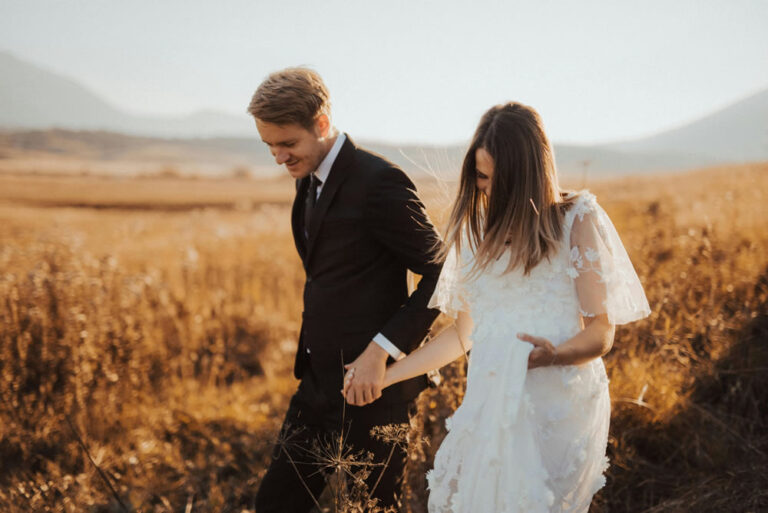
Your wedding day will be filled with fleeting moments—a glance, a laugh, a quiet embrace. When it’s over, your photographs are what remain. But here’s what many couples don’t realise: the style of photography you choose fundamentally shapes how your wedding story is told.
Two photographers can capture the exact same wedding and deliver completely different narratives. One might give you formal portraits and posed group shots; another might give you stolen moments and unguarded reactions. A third might give you artistic, emotionally-charged images that feel like fine art. All are beautiful. All are valid. But they’re not the same.
This guide walks you through the major wedding photography styles—what they are, how they work, what they look like, and crucially, how to know which one is right for you. Melbourne-specific: accounting for Victoria’s distinctive moody light, our diverse venue landscape (from Yarra Valley vineyards to coastal Mornington Peninsula to inner-city laneways and regional estates), and what actually works for the way we celebrate in Melbourne.
What is Photography Style & Why Does It Matter?
Photography style isn’t just an aesthetic preference. It’s your photographer’s philosophy about what matters, how they position themselves during your day, and what they prioritise capturing.
Style affects:
- How posed vs candid your images are (formal positioning vs letting moments happen naturally)
- How your photographer interacts with you (directing you throughout the day vs observing unobtrusively)
- What moments get captured (formal sequences vs spontaneous reactions; speeches vs dancing)
- How your images look technically (colour grading, editing, retouching philosophy)
- How you experience your photographer (directing, observing, or somewhere in between)
- The final narrative (your day as a series of portraits; your day as a story; your day as art)
Choosing a style that matches your personality, your venue, and how you actually want to experience your wedding day is essential. If you’re introverted and you book a photographer who constantly directs you, you’ll spend your wedding feeling uncomfortable. If you love detailed beauty and you book a photographer who shoots purely candid, you’ll miss the carefully arranged moments you treasure.
The Five Major Wedding Photography Styles
Style 1: Traditional / Formal Photography
What it is: Structured, posed photography where the photographer directs subjects and creates specific compositions. Traditional photography is about capturing deliberate, carefully-arranged moments.
How it works:
- Photographer directs positioning, angles, and expressions
- Emphasis on formal portraits (bride and groom, family groups, wedding party)
- Specific shots planned and executed (first look, ring exchange, first kiss, cake cutting, first dance)
- Posed couple portraits in considered locations
- Group photos organised and orchestrated
- Clear beginning, middle, and end to each shot
Visual characteristics:
- Polished, refined appearance
- Flattering lighting (often enhanced with reflectors or off-camera flash)
- Careful attention to composition (rule of thirds, symmetry, framing)
- Often enhanced in post-production (retouching, colour grading)
- Everyone looking at camera or in considered poses
- Clean backgrounds (or intentionally blurred)
Best for:
- Couples who value formal elegance and sophistication
- Families who want clear, flattering group portraits
- Weddings where structure and formality matter (black-tie events, corporate families)
- Couples who feel comfortable being directed and posed
- Venues with beautiful backdrops (Royal Botanic Garden, Yarra Valley estates, Mornington Peninsula wineries)
- Those prioritising “wall-worthy” formal portraits
Challenges:
- Can feel stiff or unnatural if couple isn’t comfortable with posing
- Requires more photographer direction and guest management
- Less candid, spontaneous moments captured
- Dependent on photographer’s ability to make you feel relaxed while posing
- May miss authentic reactions happening in background
Melbourne and VIC venues that suit traditional style:
- Yarra Valley wineries (structured vineyard backdrops, manicured grounds)
- Royal Botanic Garden Melbourne (curated landscapes, architectural features, city skyline backdrops)
- Mornington Peninsula estates (formal gardens, architectural backdrops, vineyard vistas)
- Grand country estates (formal gardens, heritage architecture)
- Black-tie city venues (structured, elegant spaces)
- Dandenong Ranges mansions and gardens
Cost consideration: Traditional photography is often middle-range pricing. It requires less time in post-production than fine art but more active direction than documentary.
Example scenarios:
- Bride and groom positioned among Yarra Valley vineyard rows, backlit by Melbourne sunset
- Formal family groupings arranged by photographer with Royal Botanic Garden as backdrop
- Couple portraits on Mornington Peninsula cliff edge with ocean vista intentionally framed
- First kiss captured from multiple angles with photographer positioning, Melbourne skyline visible
Style 2: Documentary / Photojournalistic Photography
What it is: Unobtrusive, observational photography that captures moments as they naturally unfold. Documentary photographers are storytellers who position themselves to capture authentic reactions and genuine moments.
How it works:
- Photographer observes and anticipates rather than directs
- Moments captured as they happen (not posed)
- Emphasis on authentic emotions and genuine reactions
- Details, interactions, and candid moments prioritised
- Photographer blends into background (not drawing attention)
- Story told through sequence of moments (rather than individual perfect shots)
- Heavy emphasis on decisive moments (reaction to vows, laughter during speeches, first dance initiation)
Visual characteristics:
- Natural, unposed appearance
- Lighting and composition work with available conditions (essential for Melbourne’s variable light)
- Varied framing and angles (capturing what’s happening, not composing)
- People often not looking at camera; engaged in genuine moments
- Environmental context included (not isolated subjects)
- Often more motion, emotion, and energy in images
- Post-production is subtle (minimal retouching; preserves authenticity)
Best for:
- Couples who dislike being directed or posed
- Those who prioritise authentic emotion over polished perfection
- Weddings where the story and relationships matter more than formal aesthetics
- Introverted couples uncomfortable with constant posing
- Photographers who are genuinely interested in your relationships and story
- Those wanting genuine captures of guest reactions and interactions
Challenges:
- Requires trusting photographer to capture important moments
- No guarantee specific shots will be captured (depends on timing)
- Less control over composition and framing
- Fewer formal family portraits (though good documentary photographers still capture them)
- Requires photographer to understand your day and anticipate moments
- May not have “posed couple portraits” if photographer prioritises candid moments exclusively
Melbourne and VIC venues that suit documentary style:
- Intimate garden venues (natural moments in beautiful settings)
- Outdoor ceremonies (authentic reactions, natural light; Melbourne’s moody atmosphere)
- Smaller gatherings (easier for photographer to be unobtrusive)
- Inner-city loft and warehouse venues (authentic Melbourne character)
- Venues where you want the setting secondary to the story (focused on relationships)
Cost consideration: Documentary photography is often middle-to-premium pricing. It requires significant time anticipating and capturing moments; editing emphasises authenticity (less retouching, but still curated).
Example scenarios:
- Guest’s genuine laughter during vows (captured from across room without direction)
- Bride’s reaction to first seeing groom (authentic, unguarded moment)
- Spontaneous dancing or celebration (captured as it happens)
- Quiet moment between bride and father before ceremony (observed, not posed)
Style 3: Fine Art / Artistic Wedding Photography
What it is: Highly stylised, artistic photography where the photographer creates images with the intention of art and emotion over documentation. Fine art photographers treat your wedding as visual art to be created, not just moments to be captured.
How it works:
- Photographer has distinctive artistic vision and style
- Images intentionally created and composed (often more directing than documentary, but with artistic intent)
- Emphasis on mood, colour, light, and emotion
- Heavy post-production (colour grading, creative editing, artistic interpretation)
- Specific creative choices made (specific film stocks simulated, colour palettes applied, contrast and tone adjusted)
- Images feel curated and intentional (not naturalistic)
- Often moody, romantic, or dramatically lit (perfectly suited to Melbourne’s light)
- Photographer brings specific artistic sensibility to your day
Visual characteristics:
- Distinctive colour palette (often warm, cool, moody, or saturated depending on photographer’s style)
- Dramatic or artistic lighting (often enhanced in post-production)
- Composed with artistic intent (unusual angles, creative framing, deliberate negative space)
- Heavy editing and colour grading (not trying to look “natural”)
- Often romantic, emotional, or atmospheric feeling
- Images feel like individual pieces of art (not just documentary moments)
- Post-production is significant and visible
Best for:
- Couples who appreciate artistic vision and creative interpretation
- Those with distinctive personal aesthetic that photographer shares
- Couples who love moody, romantic, or dramatically-styled imagery
- Those commissioning a photographer specifically for their artistic style
- Weddings where the “look” and feeling matter as much as documentation
- Fine art-focused couples who see photography as artistic expression
- Melbourne couples drawn to the city’s creative, artistic culture
Challenges:
- Requires trusting photographer’s artistic vision (less input/control from couple)
- Heavy editing may not feel “real” or authentic to some
- Artistic style may not match every moment (some moments more photogenic than others)
- Higher post-production time = higher cost
- Requires couple to be aligned with photographer’s aesthetic
- If you don’t love the photographer’s style, you may not love the images
Melbourne and VIC venues that suit fine art style:
- Visually stunning locations (Yarra Valley estates, Mornington Peninsula coastline, Dandenong Ranges, Melbourne rooftops)
- Venues with dramatic natural light opportunities (Melbourne’s moody, changeable light ideal for artistic interpretation)
- Locations where mood and atmosphere matter (inner-city venues with character)
- Intimate, smaller weddings where artistic focus is possible
Cost consideration: Fine art photography is typically premium pricing. Heavy post-production time and artist’s vision command higher fees.
Example scenarios:
- Bride and groom silhouetted against Yarra Valley sunset with intentional colour grading creating moody, romantic feeling
- Artistic black-and-white image with dramatic lighting of couple embracing, Melbourne city lights visible
- Highly stylised image with specific colour palette applied, creating distinctive Melbourne mood (cool, artistic, moody)
- Composite or creatively edited image (blurred background, light effects, artistic interpretation using city/landscape elements)
Style 4: Hybrid / Contemporary Photography
What it is: Modern photography that combines elements of traditional, documentary, and fine art styles. Most contemporary Melbourne photographers work in this style—capturing authentic moments while also creating posed portraits and applying thoughtful (but not heavy-handed) post-production.
How it works:
- Balance of posed and candid moments
- Documentary approach to capturing authentic reactions AND posed couple portraits for formal images
- Moderate post-production (enhancing without heavy artistic interpretation)
- Photographer directs at key moments but observes at others
- Emphasis on both story (candid moments) and beauty (curated portraits)
- Technical skill used to optimise light and composition across all situations
- Flexible approach adapting to couple’s needs and venue
- Works well across Melbourne’s diverse venues and variable light conditions
Visual characteristics:
- Mix of posed formal shots and candid authentic moments
- Lighting optimised but appearing relatively natural
- Post-production enhances but doesn’t drastically alter reality
- Colour grading is subtle and enhancing (not dramatic artistic interpretation)
- Images feel both genuine and beautiful
- Professional technical quality throughout
- Variety in framing and composition (some posed, some candid)
Best for:
- Most couples (this is the most popular contemporary style)
- Those wanting authentic moments AND beautiful formal portraits
- Couples wanting photographer who adapts to their needs
- Those comfortable with some direction but also wanting candid moments
- Weddings with diverse family and group needs
- Couples wanting professional, polished results without heavy artistic interpretation
- Melbourne couples who appreciate balanced, sophisticated approach
Advantages:
- Most flexible style (works in varied situations)
- Captures both authentic moments and formal portraiture
- Works across different venues and conditions (crucial for Melbourne’s changeable weather and diverse landscapes)
- Appealing to diverse guests and family preferences
- Professional, polished results without feeling overly artificial
- Photographer can adapt to couple’s comfort level and preferences
Challenges:
- Less distinctive artistic vision (may feel “standard”)
- Not exclusively documentary or artistic (may miss some of either)
- Requires skilled photographer to balance all elements well
- May feel like photographer is “doing everything” rather than specialising
Melbourne and VIC venues that suit hybrid style:
- All venues (this flexible style works anywhere)
- Works particularly well for multi-location days (city + Yarra Valley, etc.)
- Suited to varied guest demographics and formality levels
- Excellent for combining different venue types or managing weather changes
Cost consideration: Hybrid photography is typically mid-to-premium range. Good hybrid photographers require skill to balance all elements.
Example scenarios:
- Morning: candid getting-ready shots, then posed bridal portraits in Royal Botanic Garden
- Ceremony: documentary captures of authentic reactions, then formal family group photos
- Reception: documentary dancing and celebration moments, plus posed couple portraits at golden hour
Style 5: Lifestyle / Editorial Wedding Photography
What it is: Photography that captures your wedding within the context of your actual life and relationships. Lifestyle photographers emphasise authenticity, interaction, and environmental context—your day as it actually unfolds, not staged or heavily directed.
How it works:
- Emphasis on you as individuals and as a couple within your real relationships
- Photographer documents how you actually interact and move
- Environmental context important (where you are, who’s around, how space is being used)
- Less directing, but also not purely observational
- Focus on genuine interaction (between couple, between couple and guests, between guests)
- Real moments captured with clarity and intention
- Post-production is natural and enhancing (not heavily stylised)
Visual characteristics:
- Natural appearance (not heavily edited or stylised)
- Environmental context visible (venue, guests, setting all part of image)
- Natural light prioritised (or working with available light authentically; Melbourne’s variable light works well here)
- Genuine interactions and expressions
- Post-production subtle and enhancing
- Variety of framing and composition
- Images feel like “real moments” not “posed shots”
Best for:
- Couples who want authentic documentation of their actual day
- Those prioritising genuine interaction over formal aesthetics
- Weddings where the setting, relationships, and genuine moments matter equally
- Couples wanting beautiful images that still feel real and unmanufactured
- Those comfortable with minimal direction
- Photographers trained in lifestyle and editorial photography
- Melbourne couples drawn to authentic, unforced storytelling
Challenges:
- Requires very skilled photographer to make unposed moments visually compelling
- Less formal family portraiture (if that’s important to you)
- Dependent on photographer understanding your day and relationships
- Less control over specific shots
- May not have “dramatic” artistic moments
Melbourne and VIC venues that suit lifestyle style:
- Intimate garden venues
- Venues where the setting is already beautiful and authentic
- Smaller, more personal celebrations
- Inner-city venues with character (lofts, galleries, converted warehouses)
- Outdoor venues with natural light (Melbourne gardens, parks, rural locations)
Cost consideration: Lifestyle photography is typically mid-range. It requires skilled observation and shooting but less post-production time than fine art.
Example scenarios:
- Couple laughing together during getting ready (genuine, not posed)
- Bride walking with father toward ceremony with natural backdrop
- Guests interacting and celebrating in natural setting, Yarra Valley vines or Dandenong Ranges visible
- Quiet moment between you and partner with Royal Botanic Garden or Mornington Peninsula naturally framing scene
Comparison Chart: Quick Reference
| Style | Posed vs Candid | Photographer Role | Post-Production | Best For | Cost |
|---|---|---|---|---|---|
| Traditional | Mostly posed | Directs actively | Moderate-heavy retouching | Formal elegance, family portraits | Mid-range |
| Documentary | Mostly candid | Observes, anticipates | Minimal, authentic | Authentic emotion, storytelling | Mid-premium |
| Fine Art | Mix (artistic intent) | Directs with artistic vision | Heavy, artistic | Artistic couples, distinctive look | Premium |
| Hybrid | Balanced mix | Adaptable, directs at key moments | Subtle-moderate | Most couples, flexibility needed | Mid-premium |
| Lifestyle | Mostly candid | Minimal direction, observant | Subtle, enhancing | Authentic documentation, real moments | Mid-range |
Choosing Your Style: Questions to Ask Yourself
About your personality:
- Do I like being directed and posed, or does it make me uncomfortable? (Traditional/Fine Art vs Documentary/Lifestyle)
- Am I more concerned about looking beautiful and polished, or about authentic emotion? (Traditional/Fine Art vs Documentary/Lifestyle)
- Do I want a photographer who blends into the background, or one who’s actively engaged? (Documentary/Lifestyle vs Traditional/Fine Art)
- How important is having beautiful couple portraits to me? (All styles have these, but emphasis varies)
About your vision:
- What aesthetic moves me? (Look at images that resonate—what style are they?)
- Do I want my photographer’s distinctive artistic vision, or my day documented as it happens? (Fine Art vs Documentary)
- How much do I care about post-production style (heavy editing vs natural look)? (Fine Art is heavily edited; Documentary/Lifestyle are subtle)
- Do I want flexibility, or a specific artistic approach? (Hybrid is flexible; Fine Art is specific)
About your venue and light:
- Does my venue have beautiful backdrops that deserve formal posing? (Traditional/Fine Art benefit from this)
- Is my venue more about the relationships and less about backdrops? (Documentary/Lifestyle suit this)
- Do I have a small intimate gathering or large formal wedding? (Affects what style works practically)
- Is natural light a major feature of my venue? (Melbourne’s changeable light means adaptability matters)
About your day:
- Will I be comfortable being directed throughout my day? (Traditional/Fine Art require more of this)
- Do I prioritise authentic moments or beautifully composed moments? (These are different)
- Is the story of my day important, or the formal documentation? (Story = Documentary; Formal = Traditional)
- Do I want specific shots guaranteed, or trust my photographer to capture what matters? (Posed = guaranteed; Candid = depends on timing)
Melbourne and Victoria Venue & Style Matching
Yarra Valley Vineyard Weddings
Best styles: Traditional, Fine Art, Hybrid
Why: Yarra Valley venues have stunning visual backdrops. Formal gardens, vineyard rows, and architectural features benefit from deliberate composition. The landscape is so beautiful that traditional posing and fine art approaches maximise the scenery. Victoria’s wine country is internationally renowned; the setting deserves intentional framing.
Traditional approach: Formal couple portraits positioned in vineyard rows, formal family groups in manicured gardens, structured timeline
Fine Art approach: Dramatic sunset shots with artistic colour grading, moody lighting using vineyard architecture and rolling hills, artistic interpretation of the setting
Documentary approach: Still works; captures genuine moments within beautiful setting
Lifestyle approach: Captures you within the vineyard context; emphasises the setting as part of your story
Photographer question: “What experience do you have photographing at Yarra Valley wineries? Can you show full galleries from vineyard weddings throughout different seasons?”
Royal Botanic Garden Melbourne Weddings
Best styles: Traditional, Fine Art, Hybrid
Why: Curated landscapes, architectural features, and Melbourne city skyline backdrops provide stunning opportunities for composed photography. The garden’s designed nature suits formal posing and artistic interpretation. Skyline views are unique to Melbourne and benefit from deliberate framing.
Traditional approach: Positioned portraits using garden pathways and botanical features, formal groupings in designed spaces, city skyline incorporated intentionally
Fine Art approach: Artistic use of light through trees, moody atmospheric shots using garden’s natural features, skyline as artistic element, Melbourne’s variable light as artistic asset
Documentary approach: Captures moments as you move through garden; setting becomes context
Lifestyle approach: Emphasises your experience moving through the garden with your guests; natural interactions in beautiful setting
Photographer question: “How do you approach photographing at the Royal Botanic Garden? What locations do you use for couple portraits? How do you incorporate the Melbourne skyline? How do you adapt to Melbourne’s changeable light?”
Mornington Peninsula Weddings
Best styles: Documentary, Lifestyle, Hybrid, Fine Art
Why: Coastal and vineyard light is dramatic and quickly changing. Documentary and lifestyle approaches capture the energy and authenticity of Peninsula celebrations. Fine Art can use dramatic coastal and vineyard light artistically. Traditional approaches work but are less suited to the dynamic environment. The Peninsula’s natural beauty deserves authentic capture.
Documentary approach: Captures genuine moments with Peninsula landscape as backdrop; emphasises the energy and emotion; wineries or coastline context
Lifestyle approach: You and your guests within the Peninsula setting; natural, unforced moments celebrating the location’s unique environment
Fine Art approach: Dramatic Peninsula light used artistically; sunset silhouettes with colour grading; ocean or vineyard vistas as artistic element
Hybrid approach: Mix of formal portraits and candid moments throughout Mornington Peninsula venues, weather-responsive adjustments
Traditional approach: Possible but requires managing dynamic outdoor Peninsula conditions (wind, changing light, uneven terrain)
Photographer question: “How do you handle Mornington Peninsula wedding photography? What’s your approach to changing light, variable weather, and the diverse Peninsula landscape?”
Royal Melbourne Botanic Garden Cranbourne Weddings
Best styles: Traditional, Fine Art, Hybrid, Documentary
Why: Stunning native gardens and landscape design provide beautiful backdrops. Mix of formal gardens and natural landscapes suits various styles. Unique to Victoria; requires photographer familiar with the venue’s specific beauty.
Traditional approach: Positioned portraits in garden settings, using designed landscape features
Fine Art approach: Artistic use of native plantings, dramatic light through trees, moody atmospheric shots
Hybrid approach: Balance of formal and candid moments throughout the gardens
Documentary approach: Captures genuine moments within the landscape context
Photographer question: “What experience do you have at Cranbourne Botanic Garden? How do you capture the native plantings and landscape features?”
Dandenong Ranges and Mountain Ash Weddings
Best styles: Traditional, Fine Art, Hybrid, Lifestyle
Why: Established gardens, heritage homes, towering mountain ash trees, and natural landscape provide visually stunning settings. Dandenong Ranges’ cool climate and lush greenery suit various photography approaches. The region’s natural beauty benefits from intentional capture.
Traditional approach: Formal portraits in garden settings, using architectural features, landscape, and trees as backdrops
Fine Art approach: Moody atmospheric shots using natural light through dense tree canopy, artistic use of heritage architecture, mountain ash as dramatic backdrop
Hybrid approach: Mix of formal portraits and candid moments throughout the estate
Lifestyle approach: You within the Dandenong Ranges context; emphasises the cool, peaceful environment and relationships
Documentary approach: Captures genuine moments within beautiful natural setting
Photographer question: “What experience do you have photographing at Dandenong Ranges estates? How do you use the mountain ash trees, forest setting, and architecture in your compositions?”
Inner-City Melbourne Venue Weddings
Best styles: Hybrid, Documentary, Lifestyle, Fine Art
Why: Inner-city venues (lofts, galleries, converted warehouses, rooftop bars) often have character and architectural features. Documentary and lifestyle approaches work well in urban settings. Hybrid photographers can balance indoor/outdoor Melbourne city venues well. Fine Art can use urban aesthetics artistically. Melbourne’s creative culture suits these approaches.
Hybrid approach: Formal portraits using architectural features + candid moments throughout city venues; rooftop skyline integration
Documentary approach: Captures the energy and urbanity; celebrates Melbourne’s character; inner-city atmosphere
Lifestyle approach: You within the Melbourne city context; emphasises energy, relationships, and urban environment
Fine Art approach: Can work with artistic interpretation of urban lighting, architecture, rooftops, and city atmosphere
Traditional approach: Works well if venue has formal design; less suited to gritty/trendy Melbourne city spaces
Photographer question: “How do you approach photography in inner-city Melbourne venues (lofts, galleries, warehouses, rooftops)? What’s your strategy for capturing Melbourne’s unique character? How do you manage transitions between spaces?”
Regional Victoria Estate and Garden Weddings
Best styles: Traditional, Fine Art, Hybrid
Why: Historic estates, established gardens, and rural landscapes provide beautiful backdrops across regional Victoria. These venues benefit from deliberate composition and artistic interpretation. Regional Victoria’s natural beauty and heritage deserve intentional capture.
Traditional approach: Formal portraits in garden settings, using architectural features, landscape, and natural surroundings
Fine Art approach: Moody atmospheric shots using natural light, artistic use of heritage architecture and gardens, landscape as backdrop
Hybrid approach: Mix of formal portraits and candid moments throughout the estate
Documentary approach: Still works; captures genuine moments within beautiful setting
Photographer question: “What experience do you have photographing at regional Victoria estates? How do you work with heritage properties and established gardens?”
Red Flags When Choosing Based on Style
Red flag: Photographer claims they do “all styles equally well”
- Unlikely. Most photographers have a primary style and comfort zone. Good photographers know their strength. Red flag suggests lack of specific vision.
- Better: “I primarily work in hybrid style with documentary influences, but I also do fine art portraits. Here are examples of each.”
Red flag: Portfolio doesn’t match their claimed style
- If photographer claims “documentary” but portfolio is heavily posed, that’s concerning. Look at actual wedding galleries, not highlight reels.
- Better: Review full wedding galleries on their website; assess if the style matches what they claim.
Red flag: Photographer uncomfortable discussing their style or approach
- You need clear communication about how they work. Discomfort discussing style suggests they haven’t thought it through.
- Better: Photographer can clearly articulate their approach, philosophy, and how they’ll shoot your day.
Red flag: Photographer judgmental about your style preference
- “Nobody does traditional photography anymore” or “Only fine art photography is real art” suggests ego over client service.
- Better: Photographer respects your preferences and can explain how they’ll deliver what you want.
Red flag: No examples of work in your venue type
- Different venues demand different approaches. If photographer has no examples from Yarra Valley wineries and you’re having a wine country wedding, that’s a concern.
- Better: Photographer has examples in similar venues and can discuss their approach for your specific location.
Red flag: Underestimating Melbourne’s variable light and weather
- Melbourne’s changeable weather and moody light require specific knowledge and adaptability. Photographer should understand Victoria’s lighting challenges.
- Better: Photographer discusses how they adapt to Melbourne’s variable conditions, manage unpredictable weather, and optimise for the city’s distinctive light.
Final Thoughts: Your Style, Your Day
Here’s what matters most: Your photography style should make you feel excited, not stressed.
If you book a photographer whose style requires constant direction and you hate being posed, you’ll be miserable. If you book a purely documentary photographer and you desperately want beautiful couple portraits, you’ll be disappointed. If you book a fine art photographer whose aesthetic doesn’t align with yours, the images won’t feel like you.
The best photographer for your wedding is the one whose style matches:
- Your personality (how comfortable you are being directed)
- Your vision (what the images should feel like)
- Your venue (what style works best in that space)
- Your priorities (what matters most—authentic moments vs formal beauty vs artistic vision)
- Melbourne and Victoria expertise (understanding our variable light, diverse venues, and distinctive aesthetic)
Spend time looking at full portfolios. Meet with your shortlisted photographers. Ask them directly: “How would you describe your style? What’s your philosophy on wedding photography? Show me examples from a venue similar to mine. What’s your experience photographing in Melbourne and Victoria? How do you adapt to our changeable weather and light?”
The photographer whose work resonates, whose philosophy aligns with yours, whose style feels right, and who understands Melbourne and Victoria’s unique environment—that’s your photographer.
Your wedding day happens once. The photographs are forever. Choose a style, and a photographer, that will make you smile for decades to come.
👉 Start exploring Melbourne wedding photographers
Further Reading
- Melbourne Wedding Photography: Where to Start
- 📷 21 Best Melbourne Wedding Photographers (2026/2027)
- When to Book Wedding Vendors in Victoria: Your Complete Timeline Guide
- Wedding Budget Guide Melbourne & Victoria: Where to Spend Wisely
- Victoria Wedding Photography Tips & Advice
- Melbourne Wedding Photographer Guide: What to Ask and How to Choose
Next Step
Explore Vendors
Whether you’re planning a small, intimate gathering or a grand celebration, Wedding VIC has the perfect suppliers to help you create a truly memorable event in Melbourne and Victoria. So start browsing our directory today and find everything you need to make your special day unforgettable.
Venues
Photography
Transport
Celebrants
❤️ Join The Wedding VIC Insider
Consider this your insider guide to planning a wedding in Victoria.
Occasional emails with local insight, planning prompts and calm reassurance.
Let’s plan this!