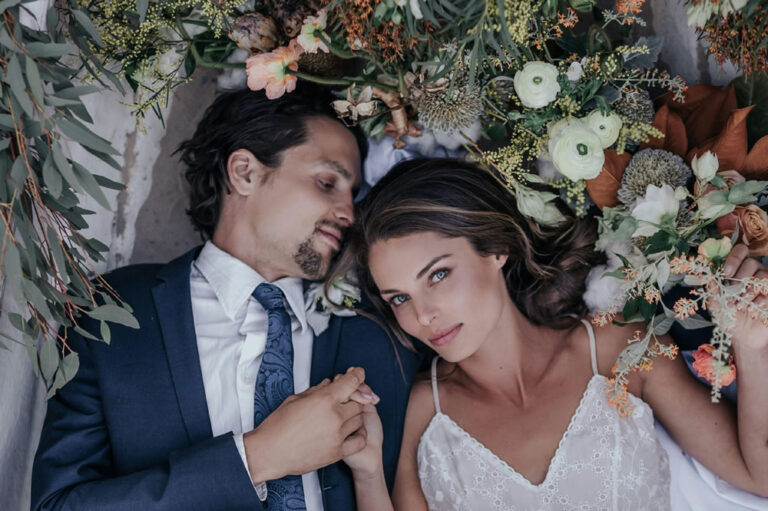
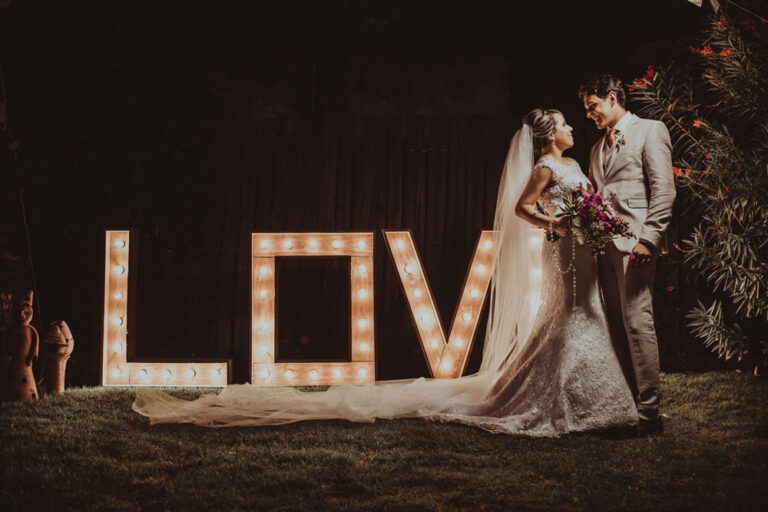
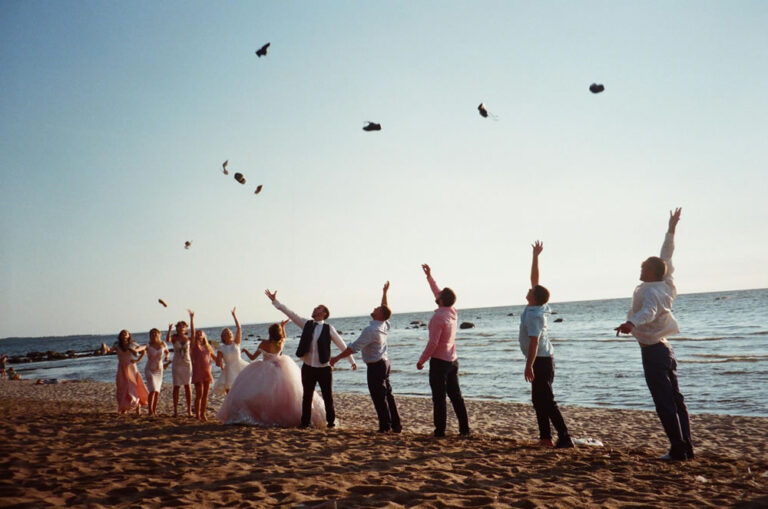
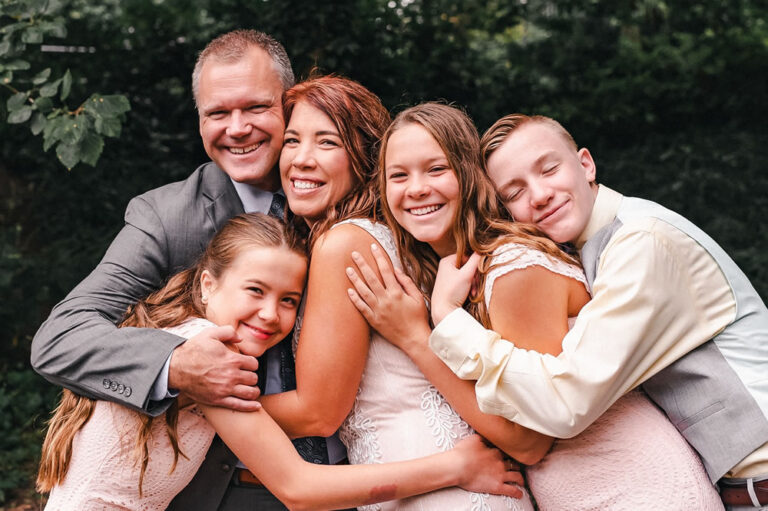
Your venue is booked. Your catering is sorted. Your guests are invited. But here’s what separates a “nice wedding” from a wedding people talk about for years: atmosphere.
Not the decorations specifically. Not the flowers. Atmosphere—that intangible thing that happens when lighting, music, scent, and genuine human connection collide in a space. It’s the reason someone remembers not just that they attended your wedding, but how it felt to be there.
This guide walks you through creating that atmosphere intentionally, matching it to your actual personality and values (not Pinterest aesthetics you’ll resent), and incorporating 2026 trends that actually enhance rather than overwhelm. Melbourne-specific: accounting for unpredictable weather, design consciousness, and the city’s unique cultural aesthetic.
Part 1: Understanding Wedding Atmosphere (Before You Start)
Before you buy a single string light or playlist song, understand what you’re actually creating.
What is Wedding Atmosphere?
Wedding atmosphere is the emotional environment you create through sensory and social design. It includes:
- Lighting: How the space looks visually; how it makes people feel (intimate, celebratory, energised, calm)
- Music: What people hear; whether it encourages conversation, dancing, or reflection
- Scent: The often-forgotten sense; what people smell when they arrive (flowers, candles, food, fresh air)
- Interaction design: Whether guests feel welcomed, included, encouraged to participate
- Pacing: How the event flows; when energy peaks and drops
- Temperature & comfort: Whether people are physically comfortable enough to relax
Atmosphere is not:
- A theme (though themes contribute to it)
- Just decorations (though decorations contribute to it)
- The venue (though venue affects it)
- A personality transplant (it should reflect you, not someone else’s aesthetic)
The Atmosphere Audit: What’s Your Actual Vibe?
Before you plan anything, answer these questions honestly:
About you as a couple:
- Are you introverted or extroverted? (Affects how much “interaction design” feels natural)
- Do you love dancing or prefer conversation? (Affects music/energy choices)
- Are you formal or casual? (Affects lighting intensity, furniture, overall feel)
- Do you care about aesthetics, or are you more about substance? (Affects whether you spend on styling)
- What times of day are you happiest? (Affects lighting choices; afternoon people vs evening people)
About your values:
- Is sustainability important? (Affects choices around single-use items, lighting, decorations)
- Do you prioritise meaningful connections or celebration energy? (Affects whether you do group activities or just let people mingle)
- Are you sentimental or practical? (Affects whether you use family heirlooms, personal touches, or prefer simple elegance)
- Do you want to make a style statement or just feel comfortable? (Affects whether you follow trends or ignore them)
Honest answers to these questions shape everything that follows. If you’re introverted but you create an atmosphere that screams “DANCE WITH ME,” you’ll be miserable. If you’re sentimental but you hire a minimalist designer, you’ll feel like a fraud.
Part 2: The Four Pillars of Wedding Atmosphere
Pillar 1: Lighting (The Most Powerful Atmospheric Tool)
Lighting is the single most important element in atmosphere creation. Change nothing else, change the lighting, and you’ve completely transformed the space.
Lighting for Different Times & Vibes
Afternoon wedding (Melbourne spring, 2–5 PM):
Reality: Natural light is variable but often strong. Your marquee or garden space needs strategic management.
- Goal: Create intimacy and flattering light despite variable brightness
- Strategy: Use filtered, diffused light rather than fighting unpredictable sun
- Lighting options:
- Sheer fabric panels in marquee (soften variable light; creates romantic glow)
- Uplighting on marquee panels in soft white/cream (works in daylight; creates definition)
- Avoid: Coloured uplighting during afternoon (looks weak; natural light overpowers it)
- String lights (will be barely visible in daylight; save for evening)
- Candlelit centrepieces on tables (visible and beautiful even in daylight)
Cost: Sheer panels $350–$700; uplighting hire $200–$450; candlelight $120–$300
Melbourne-specific: Afternoon weather is unpredictable; filtered light is both atmospheric AND practical
Evening wedding (Melbourne autumn/spring, 6–11 PM):
Reality: Darkness is your friend. Lighting becomes the primary design element. Autumn light (March–May) is golden and gorgeous; spring light (September–November) is longer but wind-affected.
- Goal: Create drama, romance, and energy with intentional light
- Strategy: Layer multiple light sources; avoid single overhead lighting
- Lighting options:
- String lights (warm white Edison bulbs or fairy lights; creates festive warmth)
- Uplighting on marquee (colour changes with music; energising but sophisticated if done subtly)
- Candlelight (tables, entrance, focal points; creates intimacy)
- Accent lighting (uplighting on trees, features, creating depth and dimension)
- Focal point lighting (highlighting dance floor, band, key décor elements)
- Avoid: Single overhead marquee lights (creates harsh, unflattering shadows)
Cost: String lights $350–$800; uplighting $300–$600; candlelight $200–$500; accent lighting $200–$400
Melbourne-specific: Winter events are dark by 5:30 PM; evening lighting is critical; spring wind affects string lights
Summer evening (December–February, sunset around 8:15 PM):
- Challenge: Long daylight hours mean natural light until 8:15+ PM; unpredictable weather means evening might have cloud
- Solution: Design lighting that works with extended daylight, adapts to weather uncertainty
- Strategy:
- Start with sheer, diffused light for early evening
- Transition to warm string lights as sun approaches horizon
- Add uplighting/accent lighting as darkness falls
- Create distinct zones with different light levels
- Melbourne summer advantage: When clear, golden hour is spectacular; when cloudy, softer light is flattering
Lighting by Theme/Aesthetic
Romantic/Elegant:
- Warm white lights (2700K colour temperature; cosy and flattering)
- Candlelight (real candles or high-quality LED that flickers realistically)
- Soft, diffused light (avoid harsh brightness)
- Layered lighting (multiple sources at different heights creates depth)
- Melbourne gardens: Use uplighting on trees to create romantic canopy effect
Modern/Minimalist:
- Clean white lights (4000–5000K; crisp, contemporary)
- Linear lighting (sleek lines, geometric patterns)
- Negative space (dark areas are as important as lit areas)
- Single focal point lighting (spotlighting key design element)
- Avoid: Fairy lights, excessive ornamentation
Garden/Natural:
- Warm, organic lighting (mimics candlelight, firelight)
- Uplighting on garden features (trees, shrubs, water features)
- String lights through trees (creates canopy effect)
- Candlelight among flowers (combines natural elements with warm glow)
- Melbourne advantage: Established gardens photograph beautifully with thoughtful lighting
Festive/Celebratory:
- Colour-changing uplighting (energetic, fun)
- Bright, clean whites (celebratory energy)
- Spotlighting (dance floor focus)
- Layered brightness (energetic atmosphere)
- Can work with music for dynamic effect (lights respond to music tempo)
Moody/Intimate:
- Deep, warm lighting (2700K or lower)
- Lots of shadows (mysterious, sophisticated)
- Candlelight dominance
- Minimal uplighting (if any)
- Melbourne setting: Moonlit gardens naturally create moody atmosphere; enhance with subtle lighting
2026 Lighting Trends for Melbourne Weddings
Trend 1: Flexible, responsive lighting
- Lighting that changes based on event phase (cocktail hour = softer; dinner = warmer; dancing = more energetic)
- Technology: Programmable LED systems that shift throughout evening
- Cost: $450–$950 for programmable system hire
- Melbourne fit: Works beautifully for outdoor events where weather/light conditions are unpredictable
Trend 2: Sustainable/energy-efficient lighting
- Solar-powered string lights
- LED uplighting (uses 75% less energy than traditional lighting)
- Reusable, heirloom-quality candles
- Suits Melbourne’s design-conscious, environmentally aware community
- Cost: Slightly higher upfront ($100–$200 more) but values-aligned
Trend 3: Layered, multisensory lighting
- Lighting that creates texture and dimension
- Combines uplighting, string lights, candlelight, accent lighting in single space
- Creates Instagram-worthy depth
- Cost: $900–$1,700 depending on complexity
- Melbourne advantage: Garden settings are naturally textured; lighting adds sophisticated dimension
Trend 4: Biophilic lighting (nature-inspired)
- Lighting that mimics natural rhythms (sunset colours, dawn colours)
- Warm whites transitioning to soft oranges as “sun sets”
- Nature-inspired colour palettes
- Cost: Programmable system hire ($450–$950)
- Melbourne fit: Aligns with garden/nature aesthetic; works beautifully with Melbourne’s established trees
Trend 5: Weather-responsive design
- Lighting designed to work WITH Melbourne’s weather unpredictability
- Brighter uplighting if overcast (compensates for cloud); softer if clear
- Quick adaptation without interruption
- Cost: $300–$700 additional for weather-aware professional setup
- Melbourne-specific: Unique to Melbourne’s moody, changeable climate
Pillar 2: Music (Creating Emotional Arc)
Music isn’t background noise. It’s the emotional backbone of your event. It shapes how people move, talk, dance, and feel. Melbourne’s sophisticated music culture means music choices are particularly important.
Music by Event Phase
Arrival/Cocktail Hour (Managing Energy):
Guest mood: Arriving, settling in, looking for people to talk to Music goal: Encouraging conversation, not overwhelming
- Vibe options:
- Background acoustic (soft, instrumental versions of favourite songs)
- Jazz/lounge (sophisticated, encourages mingling)
- Indie/alternative acoustic (modern, relaxed)
- Classical or string quartet (formal, romantic)
- Tempo: Slow enough for conversation (not dance-tempo)
- Volume: 60–65 dB (people can talk without raising voices)
- Song choices: Familiar but not singalong-territory yet
- Melbourne context: Afternoon/warm events benefit from brighter acoustic; cooler evening events can go jazzy
Dinner Service (Creating Calm):
Guest mood: Seated, eating, conversations in small groups Music goal: Supporting conversation, creating intimacy
- Vibe options:
- Soft lounge (Frank Sinatra-esque classics)
- Acoustic covers of modern songs (familiar but mellow)
- Singer-songwriter (intimate, emotionally resonant)
- Ambient/background instrumental (unobtrusive)
- Tempo: Slow to moderate
- Volume: 55–60 dB (barely noticeable; conversation is primary)
- Song choices: Mood-setting rather than attention-grabbing
- Avoid: Energetic dance music (kills dinner atmosphere); sad songs (wrong vibe for celebration)
Toasts/Speeches:
Guest mood: Attentive, emotional, present Music goal: Minimal; supporting emotional moments
- Strategy: Stop the music entirely or use very quiet, emotional instrumental
- Timing: Lower volume 5 minutes before speeches start
- Song selection (after speeches): Uplifting, positive energy
- Duration: Reintroduce fuller energy after speeches conclude
Dancing (Energy Peak):
Guest mood: Energised, loose, wanting to move Music goal: Making people want to dance, sustaining energy
- Vibe options:
- Top 40/pop (everyone knows the songs; sing-alongs)
- 80s/90s/00s hits (nostalgia factor; universally danceable)
- Funk/soul (body-moving rhythms)
- Indie/alternative dance tracks (sophisticated but still moves)
- Mixed era (prevents boredom; appeals to different ages)
- Tempo: 120+ BPM (dance-tempo)
- Volume: 80–85 dB (energetic but not deafening)
- Song flow: Gradual energy build; peak around 9:30 PM; wind down toward end
- Song selection strategy: Mix requested songs with DJ/musician expertise (let professionals build energy arc)
Creating a Playlist vs Hiring a DJ vs Live Music
DIY Playlist (Spotify/curated collection):
Cost: $0–$200 (Spotify premium + bluetooth speaker hire)
Pros: Control over every song; personal touches; cost-effective
Cons: No energy reading; no real-time adjustments; feels impersonal; technical issues ruin it
Who it works for: Extremely small weddings (under 30 people); couples confident in playlist curation; backup option only
DJ:
Cost: $700–$1,200 Melbourne pricing
Pros: Professional energy management; real-time adjustments; reads the room; handles technical issues; creates energy arc
Cons: Less personal; DJ’s taste might not match yours
Who it works for: Most couples; especially if you want guaranteed energy management
Live Musician/Band:
Cost: $900–$2,000+ Melbourne pricing
Pros: Intimate, personal, unique; can adapt setlist in real-time; incredible for photos/videos
Cons: Higher cost; limited genre flexibility (acoustic guitarist can’t do high-energy dance music); may need backup speaker system for later dancing
Who it works for: Couples prioritising atmosphere and intimacy; willing to invest in live music
2026 Music Trends for Melbourne Weddings
Trend 1: Curated, intentional playlists
- Not random songs; carefully selected for emotional arc
- Reflects couple’s actual taste/story
- Often includes personal songs (your first dance song, song from proposal, etc.)
- Strategy: Hire a DJ or musician who understands this; brief them on your emotional journey
Trend 2: Live looping/production
- Musician performs live, loops their own parts, builds songs in real-time
- Creates intimate, personal atmosphere with production polish
- Growing trend in Melbourne’s indie/alt music scene
- Cost: $1,200–$2,200
Trend 3: Collaborative playlist creation
- Guests contribute song requests ahead of time
- DJ/musician incorporates top requests into setlist
- Creates investment; guests feel heard
- Requires: Good communication; clear briefing on energy management (not every request fits)
Trend 4: Genre-blending/unexpected transitions
- Sophisticated transitions between styles (jazz to indie to pop; not jarring)
- Professional DJs/musicians creating “mashups” of familiar songs
- Keeps energy fresh without feeling chaotic
- Cost: Usually included with professional DJ/musician
Pillar 3: Scent (The Forgotten Sense)
Scent is the sense most connected to memory. People remember how your wedding smelled years after they forget other details.
But scent is tricky in Melbourne: Weather affects fragrance perception; cool temperatures mean scents dissipate differently; indoor/outdoor transitions need careful management.
Scent Strategy: Less is More
The rule: You should not consciously notice the scent unless you’re specifically smelling for it. If you walk into a space and immediately think “what’s that smell?”, it’s too strong.
In Melbourne’s cooler climate, fragrances don’t intensify like in heat, but they can still feel overwhelming in enclosed spaces.
Scent Options by Vibe
Romantic/Garden:
- Fresh flowers (roses, peonies, gardenias have natural scent; place strategically, not overly fragranced)
- Subtle florals (one main floral note, not competing smells)
- Candlelight scent (vanilla, sandalwood in warm, subtle strength)
- Melbourne gardens naturally provide fresh green scent; enhance with subtle florals
- Cost: Flowers $350–$900; subtle candles $100–$250
Fresh/Modern:
- Citrus (lemon, grapefruit, bergamot; subtle, uplifting)
- Fresh green (grass, herbs; reminiscent of spring)
- Minimal artificial scent (let fresh air and food aromas dominate)
- Melbourne outdoor settings: Natural breeze often provides this naturally
- Cost: Minimal (maybe $50–$150 for subtle candles)
Warm/Intimate:
- Vanilla (comforting, universally liked)
- Sandalwood (sophisticated, warm)
- Amber (rich, complex)
- Candles or oil diffusers in subtle quantity
- Cost: $100–$350
Celebration/Festive:
- Food aromas (catering should be the dominant scent; avoid competing fragrances)
- Fresh flowers without added fragrance
- Let celebration energy be unscented
- Cost: $0–$120 (fresh flowers only)
Practical Scent Implementation
Where to place scents:
- Entrance (first impression)
- Cocktail area (where people linger)
- Table centrepieces (subtle, just noticeable when seated)
- Avoid: Bathrooms (can smell too strong in confined space); dance floor (too intense)
Methods:
- Fresh flowers (most natural, most beautiful)
- Candles (highest sensory impact; works for photos too)
- Oil diffusers/reed diffusers (subtle, long-lasting)
- Avoid: Commercial air fresheners (smell artificial); heavy perfumes (overwhelming); multiple competing scents
Timing:
- Deploy scents 30–60 minutes before guests arrive (space is subtly scented, not aggressively)
- Refresh candles/flowers halfway through event (scents fade over time)
2026 Scent Trends for Melbourne Weddings
Trend 1: Hyperlocal/botanical sourcing
- Using Melbourne-area grown flowers, herbs, botanicals
- Local florists creating custom scent profiles
- Aligns with sustainability; supports local Victoria growers
- Cost: Slightly higher than standard florals ($50–$120 extra) but values-aligned
Trend 2: Season-appropriate scenting
- Spring: Light, fresh florals
- Summer: Minimal scenting (let food/flowers dominate)
- Autumn: Warm, earthy scents
- Winter: Cosy, warming scents (vanilla, sandalwood, amber)
- Cost: Same or lower (seasonal florals often cheaper)
Trend 3: Personalized scent signature
- Commissioning custom fragrance reflecting couple’s story/personality
- Bespoke scent (expensive but memorable)
- Or: Using meaningful scent (partner’s favourite perfume, scent from proposal location)
- Cost: $200–$1,200 depending on custom vs store-bought
Trend 4: Minimal/unscented approach
- Deliberately choosing no artificial scent
- Letting natural food, flower, garden aromas dominate
- “Clean” aesthetic; uncluttered sensory experience
- Growing trend in minimalist/modern weddings
- Cost: $0–$120 (maybe fresh flowers only)
Pillar 4: Interaction Design (Making Guests Feel Part of It)
Atmosphere isn’t just what guests see/hear/smell. It’s whether they feel welcomed, included, and part of the celebration. Melbourne’s culture of conversation and community means interaction design is particularly important.
Creating Connection Points
Arrival experience:
- How guests transition from car to space (it matters)
- Signage/direction (do guests know where to go?)
- Greeting (do they feel welcomed?)
- Option: Greeters at entrance; welcome table; directed to first activity
Cost: $0–$200 (greeters are usually family/friends; signage $50–$150)
Conversation starters:
- Intentional design elements that encourage people to talk
- Guest book alternatives (something interactive, not just signing)
- Conversation cards on tables (thought-starters, not awkward games)
- Photo opportunity areas (encourages mingling around photo setup)
- Story elements (photo display of couple’s journey, guest memories)
Cost: $50–$350 depending on complexity
Participation opportunities:
- Not mandatory (some guests will sit; that’s okay)
- Optional activities that energise without forcing
- Examples: Lawn games (croquet, petanque), photo booth, DIY drink station, dessert station, send-off activity
- Melbourne advantage: Outdoor entertainment culture means guests are comfortable with lawn games
Cost: $250–$1,000 depending on choices
Timing & Flow:
- Design event phases that naturally shift energy
- Cocktail hour: standing, mingling, low-key
- Dinner: seated, intimate conversations
- Post-dinner: energy transition (toasts, first dance, dancing)
- Each phase has distinct atmosphere; not monotonous
Accessibility & Comfort (Often Overlooked)
Atmosphere includes whether guests can actually be comfortable:
- Seating: Enough places to sit (including for people who can’t stand long)
- Shade/shelter: Protection from Melbourne rain or unexpected wind
- Temperature: Appropriate for season (heating in winter; less critical in summer but still matters)
- Bathrooms: Clean, accessible, not far from event
- Dietary considerations: Clear food/drink options; accommodations respected
- Accessibility: Wheelchair access; accessible parking; quiet spaces for overwhelmed guests
Cost: Varies; mostly planning, not money
Melbourne-specific: Weather unpredictability means flexible shelter/heating options important
When Interaction Design Feels Forced (Avoid This)
- Mandatory group activities (some guests hate this)
- Games that exclude people (not everyone wants to participate)
- Overly coordinated “moments” (couple first dance while everyone watches, then group choreography, then group games = exhausting)
- Performances that go on too long (speeches, slideshows, tributes should be 5–10 minutes max per item)
The rule: Invite participation, don’t mandate it. The best interactions happen naturally when people feel comfortable.
2026 Interaction Trends for Melbourne Weddings
Trend 1: Meaningful guest participation
- “Guest experience journey” (intentional design of how guests move/interact through event)
- Photo displays or memory-sharing boards (guests contribute stories, not just signatures)
- Collaborative art/installation (guests add to something; creates lasting memory)
- Cost: $250–$700
Trend 2: Inclusive celebration design
- Deliberate effort to include all guests (not just straight, coupled guests)
- Opportunities for solo guests to contribute/participate
- Activities that don’t assume dance/party preference
- Cost: $0 (mostly intention, not money)
Trend 3: Tech integration (done thoughtfully)
- QR code for song requests (guests contribute to DJ setlist)
- Digital guest book (guests record video message or written note)
- Live display (photos from photographer/guests shown on screens throughout event)
- Cost: $250–$600
Trend 4: “Quiet room” option
- Recognising not everyone wants high-energy atmosphere
- Designated calm space (reading nook, music-free area, fresh air space)
- Intentional design choice that says “you’re welcome here”
- Growing trend in mental health-conscious event planning
- Cost: $0–$250
Part 3: Matching Atmosphere to Theme & Couple’s Vibe
Classic Themes & Their Atmospheric Requirements
Romantic Garden (Popular in Melbourne)
Visual atmosphere:
- Lighting: Warm string lights through established trees; candlelight on tables; soft uplighting on garden features
- Flowers: Abundant but naturally arranged; mix garden-grown with florals
- Colour: Soft pastels, whites, creams, blush tones
Sonic atmosphere:
- Music: Acoustic, jazz, classical; focus on dinner music
- Energy: Calm, romantic, intimate
- DJ/musician style: Singer-songwriter or jazz musician
Olfactory atmosphere:
- Scent: Fresh flowers (roses, gardenias); garden plant scents; subtle vanilla candles
- Melbourne advantage: Established gardens naturally provide beautiful scent; enhance subtly
Interaction design:
- Conversation-focused; seated dinners important
- Participatory elements: low-key (garden games, photography, wandering)
- No high-energy dancing; subtle celebration
Cost framework: $16,000–$27,000 (moderate investment in lighting/flowers/musician)
Modern Minimalist
Visual atmosphere:
- Lighting: Clean white lights; geometric patterns; strategic dark spaces
- Flowers: Sculptural (not floral arrangements; single stems, geometric lines)
- Colour: Whites, blacks, greys, maybe one accent colour
Sonic atmosphere:
- Music: Contemporary, maybe indie-electronic; focus on curated playlist
- Energy: Sophisticated, energetic but controlled
- DJ/musician style: DJ reading room energy; responds to crowd
Olfactory atmosphere:
- Scent: Minimal or none; let fresh air dominate
- If present: Subtle citrus, green scents only
Interaction design:
- Minimalist aesthetic often means less “forced fun”
- Guests mingle naturally; activities subtle or absent
- Focus on conversation, food, celebration energy
Cost framework: $13,000–$22,000 (save on flowers/decoration; invest in lighting/music)
Bohemian/Free-Spirited
Visual atmosphere:
- Lighting: Fairy lights, lanterns, candlelight; warm and abundant
- Flowers: Wildflowers; natural, unstructured arrangements
- Colour: Earth tones, jewel tones, eclectic mix
Sonic atmosphere:
- Music: Indie, folk, world music; eclectic, authentic
- Energy: Celebration; dancing and mingling equally important
- DJ/musician style: Live musician or DJ comfortable with genre-blending
Olfactory atmosphere:
- Scent: Wildflowers, native plants; incense or diffusers okay in this theme
- Cost: Higher ($400–$850 for intentional scenting)
Interaction design:
- Participatory, welcoming, inclusive
- Lawn games, photo areas, interactive elements encouraged
- Energy-positive atmosphere that invites contribution
Cost framework: $19,000–$33,000 (investment in abundance of lighting, flowers, participation elements)
Glamorous/Formal
Visual atmosphere:
- Lighting: Crystal chandeliers, statement lighting; polished and sparkly
- Flowers: Lush, high-quality florals; structured arrangements
- Colour: Gold, silver, champagne, jewel tones
Sonic atmosphere:
- Music: Classical, jazz, or curated top 40; polished production
- Energy: Sophisticated celebration; elegance first
- DJ/musician style: Professional, polished; classical during dinner, curated pop during dancing
Olfactory atmosphere:
- Scent: High-quality floral; subtle luxury scents (sandalwood, amber)
- Cost: Higher investment ($350–$950)
Interaction design:
- Formal seating plan important; designed conversation flow
- Participation elements: formal (champagne toast, first dance, choreographed celebrations)
- Guests feel “dressed up” for an elegant experience
Cost framework: $26,000–$42,000+ (investment in premium lighting, florals, musicians, formal coordination)
Casual/Fun/Playful
Visual atmosphere:
- Lighting: Colourful, bright; fun uplighting; avoiding too-sophisticated feel
- Flowers: Bright colours, cheerful arrangements; or minimal flowers, focus on fun décor
- Colour: Bright, saturated colours; personality-driven
Sonic atmosphere:
- Music: Top 40, 80s/90s hits, pop; high-energy, singalong-able
- Energy: Fun, celebratory, dancing-encouraged
- DJ/musician style: DJ comfortable with requests; reads room for dance moments
Olfactory atmosphere:
- Scent: Food aromas dominant; minimal intentional scenting
- Cost: Low ($60–$180)
Interaction design:
- Games, activities, participatory elements important
- Photo booth, lawn games, interactive elements encouraged
- Energy is about celebration and fun, not sophistication
Cost framework: $13,000–$24,000 (save on premium flowers/lighting; invest in music/participation elements)
Part 4: Melbourne-Specific Atmospheric Considerations
Melbourne Climate & Atmosphere
Spring (September–November) — Most Unpredictable:
- Challenge: Weather genuinely unpredictable (could be 15°C or 28°C; could rain or be clear)
- Atmospheric response:
- Plan flexible lighting (works in sun or shade)
- Have weather contingency (heating + shelter options)
- Spring light is long and beautiful when clear; plan to use it
- Scent: Medium (not intensified by heat; not suppressed by extreme cold)
- Music: Outdoor venues benefit from flexibility in timing
Summer (December–February) — Mostly Predictable:
- Advantage: Warm, mostly dry; long daylight
- Atmospheric opportunity:
- Summer light is bright and clean
- Can plan events with confidence
- Garden growth is lush
- Scent naturally abundant
Autumn (March–May) — Golden Light:
- Advantage: Perfect temperatures; golden light; predictable weather
- Atmospheric opportunity:
- Autumn light is photographer’s dream (warm, low angle)
- Temperatures ideal for comfort
- Garden still full; colours beginning to shift
- Most reliable season for planning
Winter (June–August) — Cold and Wet:
- Challenge: Dark by 5:30 PM; cold (8–15°C); rain likely
- Atmospheric response:
- Lighting becomes essential (earlier, more dramatic)
- Heating essential (outdoor events need patio heaters; indoor more practical)
- Scent: Warm, cosy (vanilla, sandalwood)
- Music: Warm, intimate rather than energetic
- Consider indoor/heated marquee options
Melbourne Garden Advantage & Design Culture
Melbourne is known for sophisticated gardens and design consciousness. Use this strategically:
- Uplight established trees: Plane trees, oaks, figs look magnificent with thoughtful lighting
- Feature existing greenery: Use garden as backdrop; minimal additional florals needed
- Design-conscious styling: Melbourne values considered aesthetics; invest in quality lighting/design
- Interaction design: Wander garden grounds; garden games natural fit
- Photography: Melbourne gardens are sophisticated; less décor needed when setting is beautiful
- 2026 trend alignment: Design authenticity matters; no overly decorated/trendy aesthetic
Melbourne garden venues (examples):
- Botanical Gardens
- Burnham Beeches
- Private estates in Dandenongs
- Inner-city garden spaces (Princes Park area)
- Use these spaces well with strategic lighting and respect for established plantings
Peak Season Planning Impact (November Especially)
November is Melbourne’s most popular wedding month AND its most unpredictable weather month. Specific realities:
- Atmosphere challenges: Weather uncertainty makes planning stressful
- Contractor availability: Booked solid; less flexibility in choices
- Pricing: 30–50% premium compared to off-season
- Design implications: Choose flexible, adaptable atmosphere (not weather-dependent)
Part 5: Creating Your Specific Atmosphere (Step-by-Step)
Step 1: Define Your Atmospheric Goal (2–3 words)
Not “beautiful” or “elegant.” Actual atmosphere you want people to feel.
Examples:
- “Warm and intimate”
- “Joyful and energised”
- “Sophisticated and calm”
- “Adventurous and playful”
- “Connected and celebratory”
This shapes every choice that follows.
Step 2: Lighting Plan
- Event timing: What time is event? How long is daylight? What season?
- Space features: What does venue naturally have? Mature trees? Interesting architecture?
- Lighting choices: Based on timing + vibe + budget + Melbourne weather variability
- Budget allocation: Lighting typically gets 15–25% of décor budget
- Hire or buy: Professional lighting hire vs DIY option
Step 3: Music/Sound Plan
- DJ vs playlist vs musician: Based on vibe + budget + your comfort
- Song curation: Create playlist with emotional arc OR brief DJ/musician on arc
- Volume planning: Different volumes for different phases
- Technical check: Test sound system; confirm backup options
- Budget allocation: Music typically gets 10–15% of overall budget
Step 4: Scent Plan
- Choose 1–2 scent notes: What should people smell when they arrive?
- Implementation method: Fresh flowers, candles, diffusers?
- Placement strategy: Entrance, tables, focal points (not everywhere)
- Refresh plan: Who’s refreshing scents midway through?
- Weather considerations: How will Melbourne weather affect your scent choices?
- Budget allocation: Scent typically $100–$450 total
Step 5: Interaction Design Plan
- Identify key moments: Where should people interact? Where do conversations happen?
- Design participation: What optional activities fit your vibe?
- Create connection points: What encourages people to feel part of it?
- Accessibility check: Can all guests comfortably participate?
- Brief your team: Coordinators/family know the interaction design plan
Step 6: Pacing Plan
Create visual timeline of event:
- 3:00 PM (autumn event): Guests arrive; music volume, lighting, scent designed for golden hour
- 3:30 PM: Cocktail hour begins; music shifts to background; lighting preserves natural beauty
- 4:30 PM: Guests move to dinner; music becomes intimate; lighting begins transition as sun lowers
- 5:00 PM: Speeches; music paused; full attention
- 5:30 PM: Post-speech energy shift; music returns, more upbeat; transition to evening lighting
- 6:00 PM: Dancing; lighting becomes more dramatic; music energetic
- 9:00 PM: Wind-down; music tempo slows; energy softens
Each phase has distinct atmosphere; creates dynamic, engaging experience.
Part 6: 2026 Atmosphere Trends (What’s Actually Happening)
Trend 1: Hyper-Personalized Atmosphere
What it is: Wedding atmosphere that reflects couple’s actual personality, not Pinterest aesthetic
How it works:
- Atmospheric choices grounded in couple’s story
- Music selections reflect couple’s taste, not DJ’s
- Scents connect to meaningful memories
- Interaction design reflects how couple actually socializes
Melbourne fit: Aligns with Melbourne’s cultural shift toward “authentic” celebrations; values individual creativity
Cost: Variable; often cheaper (less designer-driven, more couple-directed)
Example: Couple who met at Melbourne laneway bookstore uses vintage aesthetic + literary references; couple who love coffee uses coffee-inspired scent + café vibes
Trend 2: Intentional Energy Pacing (Not Just “Party”)
What it is: Event designed with deliberate energy arc; not everything is high-intensity
How it works:
- Different spaces have different energy levels (quiet area for introverts; dance floor for extroverts)
- Event phases clearly shift (dinner is intimate; dancing is energised; no jarring transitions)
- Energy peaks are intentional, not accidental
Melbourne fit: Aligns with preference for substance over superficial celebration; conversation culture
Cost: $0–$550 (mostly planning; little additional cost)
Implementation: Separate spaces, clear pacing, music/lighting that supports each phase
Trend 3: Sustainable/Ethical Atmosphere Choices
What it is: Creating atmosphere without environmental guilt
How it works:
- LED lighting (energy-efficient; guilt-free)
- Local, seasonal flowers (supports Victoria growers; reduces transportation)
- Reusable décor elements (heirloom candles, borrowed elements)
- Minimal single-use items
- Natural materials and finishes
Melbourne fit: Strong environmental consciousness in Melbourne community; values-aligned; supports local growers
Cost: Sometimes slightly higher upfront; lower environmental cost
Example: Using Victoria-grown seasonal flowers instead of imported varieties; reusing family candles
Trend 4: Multisensory, Layered Atmosphere
What it is: Intentional design of all sensory inputs; not just one or two elements
How it works:
- Lighting + music + scent + texture all coordinated
- Each sense supports emotional arc
- Atmospheric choices reinforce each other (not compete)
- Creates immersive experience
Melbourne fit: Aligns with Melbourne’s sophisticated, design-conscious aesthetic
Cost: $2,000–$5,000 additional for coordinated multisensory design
Implementation: Professional designer or very intentional couple planning
Trend 5: Tech-Enhanced Without Tech Dominating
What it is: Using technology to enhance atmosphere without it becoming the focus
How it works:
- Subtle projections (not video screens; ambient projections of couple’s photos)
- Responsive lighting (changes with music; not distracting)
- Digital guest participation (requests, messages; not intrusive)
- Photography that captures and shares atmosphere
Melbourne fit: Tech-comfortable Melbourne audience; used thoughtfully; aligns with “substance” value
Cost: $300–$800 depending on tech choices
Example: Subtle projection of couple photos on garden wall; interactive playlist request QR code
Trend 6: Weather-Responsive Design (Melbourne-Specific)
What it is: Atmosphere design that accounts for and works WITH Melbourne’s unpredictable weather
How it works:
- Flexible lighting (works in sun or shade; adapts to cloud cover)
- Heating/cooling options available (flexible for temperature surprises)
- Scent deployment adaptable (humidity affects perception)
- Music/pacing can shift if weather changes
- Decorative choices weather-resistant
Melbourne fit: Unique to Melbourne’s moody, changeable climate; increasingly important for reliable experience
Cost: $400–$1,200 additional for weather-aware flexible design
Example: Programmable lighting that brightens if overcast; heating ready if temperature drops; backup indoor space
Part 7: Common Atmosphere Mistakes to Avoid
Mistake 1: Atmosphere That Doesn’t Match You
What happens: You create beautiful, trendy atmosphere that feels inauthentic
Why: Pressure to follow Pinterest aesthetics instead of following your own vibe
How to avoid:
- Do the atmosphere audit (Part 1) before planning anything
- Ask: “Does this feel like us?” before every major choice
- Be willing to go against trends if it doesn’t match your personality
- Remember: Guests connect with authenticity more than perfection
Mistake 2: Too Many Competing Sensory Inputs
What happens: Overwhelming atmosphere; guests feel assaulted by lights/music/scent
Why: Trying to do everything; not understanding that less-is-more
How to avoid:
- Choose 2–3 primary atmospheric elements; execute them well
- Layer sensory inputs; don’t overwhelm
- Test atmosphere before event (have friends over; assess if it feels overwhelming)
- Remember: If you notice something immediately, it’s too strong
Mistake 3: Ignoring Weather (Melbourne-Specific)
What happens: Beautiful atmosphere plan becomes uncomfortable/impractical when weather changes
Why: Planning for “perfect weather” instead of planning for Melbourne’s reality
How to avoid:
- Have flexible backup plans
- Invest in heating/shade/shelter options
- Choose weather-adaptable lighting/décor
- Brief team on what to do if conditions shift
- Accept that weather might affect perfect plan; that’s okay
Mistake 4: Exhausting Pacing (No Rest)
What happens: Constant high-energy atmosphere; guests are exhausted by 8 PM
Why: Not building in downtime; treating entire event as “party”
How to avoid:
- Design distinct phases (cocktail/dinner/dancing; not all dancing)
- Allow for quiet moments between high-energy moments
- Music pacing: Vary tempo throughout event; not constantly dance-tempo
- Participation: Optional, not mandatory; let guests choose energy level
Mistake 5: DJ or Musician Who Doesn’t Understand Your Vision
What happens: Music creates atmosphere opposite to what you wanted
Why: Didn’t communicate vision; hired someone whose style didn’t match
How to avoid:
- Interview DJ/musician beforehand
- Provide playlists or reference artists; communicate your vibe
- Attend their events or watch videos; assess their style matches yours
- Brief them thoroughly: “I want conversation during dinner, energised dancing after 8 PM”
Mistake 6: Assuming Guests Will Know How to Participate
What happens: Participation elements you designed get ignored
Why: Not giving clear invitation or direction
How to avoid:
- Explicitly invite participation (“please sign the guest book”; “lawn games over there”)
- Model participation (couple does first dance enthusiastically; encourages others to dance)
- Make it easy (activities shouldn’t require complicated explanation)
- Accept that not everyone will participate; that’s okay
Part 8: Atmosphere Budget Breakdown
Typical Atmosphere Budget (as percentage of overall wedding budget)
Assuming $17,000 Melbourne wedding:
- Lighting: 15–22% ($2,550–$3,740)
- Music/DJ: 12–18% ($2,040–$3,060)
- Florals/Décor: 12–18% ($2,040–$3,060) note: includes atmosphere elements
- Interaction/Activities: 6–10% ($1,020–$1,700)
- Scent/Other: 2–5% ($340–$850)
- Total atmosphere investment: 47–73% of wedding budget (it’s worth it; atmosphere affects every moment)
Cost-Saving Atmosphere Strategies
High-impact, low-cost choices:
- DIY playlist + good speaker hire ($0–$250) vs DJ ($700–$1,200): Saves $450–$950
- Uplighting hire ($200–$450) vs extensive décor: Lighting transforms space cheaply
- Fresh flowers from Melbourne markets ($150–$350) vs florist arrangements ($900+): Still beautiful, less expensive
- Candlelight dominance vs expensive lighting design: Candles are cheap and romantic
- Your own music curation vs paying designer: Authenticity is free
- Strategic lighting to hide ugly spaces vs extensive décor: Smart design saves money
Where NOT to save on atmosphere:
- Music/sound: Bad sound ruins atmosphere
- Lighting: Dark, unlit spaces feel depressing
- Guest comfort: Uncomfortable guests create negative atmosphere (Melbourne weather makes this critical)
- Your authenticity: Fake atmosphere costs more (regret cost is high)
Part 9: Atmosphere Checklist for Melbourne Couples
6 Months Before
- ✅ Define your atmospheric goal (2–3 words; write it down)
- ✅ Do atmosphere audit (how do you actually like to celebrate?)
- ✅ Identify theme/aesthetic (or intentionally choose “no theme”)
- ✅ Research venue atmosphere (does it support your vision?)
- ✅ Consider Melbourne seasonal implications (spring unpredictable, summer clear, autumn golden, winter cold)
4 Months Before
- ✅ Plan lighting (hire quotes; decide on style; factor in Melbourne weather variability)
- ✅ Plan music (DJ vs playlist vs musician; research options)
- ✅ Plan florals/décor (supporting atmosphere, not overwhelming)
- ✅ Identify any special atmosphere needs (weather flexibility, seasonal considerations, etc.)
2 Months Before
- ✅ Book DJ/musician or finalize playlist
- ✅ Book lighting hire
- ✅ Create event pacing timeline (what happens when; how atmosphere shifts)
- ✅ Plan interaction elements (what participation opportunities)
- ✅ Plan Melbourne weather contingency options
1 Month Before
- ✅ Confirm all vendors understand atmospheric vision
- ✅ Brief DJ/musician on emotional arc you want
- ✅ Plan scent implementation (flowers, candles, placement)
- ✅ Do final comfort check (heating/cooling, sound levels, lighting, seating)
- ✅ Confirm weather contingency plans are in place
2 Weeks Before
- ✅ Create detailed timeline with atmosphere cues (when music changes, when lighting adjusts, etc.)
- ✅ Brief coordinators/family on atmosphere plan
- ✅ Test any tech elements (projections, responsive lighting)
- ✅ Do final walkthrough; visualize atmospheric elements in space
- ✅ Confirm flexible infrastructure (heating, shade, shelter) is available
Day Before
- ✅ Confirm all vendors know timeline and atmospheric vision
- ✅ Do final sound check
- ✅ Check lighting setup (if possible)
- ✅ Brief your coordinator/key family on atmosphere elements
- ✅ Check weather forecast; confirm contingency readiness
Day Of
- ✅ Arrive early for vendor setup check
- ✅ Test lighting, music, sound before guests arrive
- ✅ Ensure flowers/scents deployed correctly
- ✅ Do final comfort check (temperature, lighting levels, music volume)
- ✅ Monitor weather throughout event; adjust contingency options if needed
- ✅ Take a moment to notice the atmosphere before guests arrive; celebrate it
Final Thoughts: Atmosphere as Love Language
Here’s something nobody tells you: Creating wedding atmosphere is actually an act of love for your guests.
When you thoughtfully design lighting, you’re saying “I want you to feel comfortable and beautiful here.”
When you curate music intentionally, you’re saying “Your emotional experience matters.”
When you choose meaningful scents, you’re saying “I want this to linger in your memory.”
When you design interactions that include people, you’re saying “Your presence and participation matter to us.”
Atmosphere isn’t superficial. It’s how you make people feel cared for.
The Real Magic of Atmosphere
The best weddings aren’t the most expensive or most trendy. They’re the ones where guests feel genuinely welcomed, emotionally moved, and like they were part of something real. That’s atmosphere.
You don’t need:
- A designer
- Thousands of dollars in décor
- The latest 2026 trends
- A perfectly curated aesthetic
- To be someone you’re not
You do need:
- Honesty about who you are and how you celebrate
- Intentional sensory design (even if simple)
- Attention to guest comfort (especially flexible comfort in Melbourne’s weather)
- Clear pacing and flow
- Music that moves you
- Lighting that flatters and transforms
- Invitation to genuine connection
Melbourne’s Atmospheric Advantage
Melbourne couples have a particular advantage: Your city values authenticity and design consciousness, your gardens are established and sophisticated, your culture celebrates conversation and community, and your weather, while unpredictable, forces thoughtful, flexible planning.
Use this. Create atmosphere grounded in who you are, enhanced by Melbourne’s natural sophistication and design culture, designed for genuine human connection.
That’s not a Pinterest aesthetic. That’s a real celebration.
One Last Thing
The most forgettable weddings are the ones where the couple was stressed about creating the “perfect” atmosphere. The most memorable weddings are the ones where the couple was actually present, actually celebrating, and letting the atmosphere support that celebration rather than feeling like a performance.
So plan thoughtfully. Execute intentionally. Then let go. Dance. Laugh. Be present. Let your guests feel that. That’s the atmosphere that matters.
Everything else is just beautiful support for what’s already there: love and celebration.
👉 Explore Decoration, Decor and Hire
👉 Explore Flowers
👉 Explore Entertainment
Further Reading
- Celebrity-Inspired Wedding Cars – Melbourne Wedding Car Ideas
- Celebrity-Approved Accessories to Elevate Your Wedding Look – Melbourne Edition
- Celebrity-Inspired Groom Looks for Every Wedding Style
- Top 10 Reasons to Get Married
- What Your Bridal Style Says About You – Celebrity Edition (Melbourne)
- Celebrity-Inspired Wedding Hair Ideas for Every Bride in Melbourne
- Wedding Ring Styles: Find Your Perfect Melbourne Engagement or Wedding Ring
- How to Plan an Anti-Wedding That’s Still Totally You in Melbourne
- Wedding Bomboniere Ideas & Etiquette Guide for Melbourne Couples
- How to Handle Wedding Day Emergencies in Melbourne
Next Step
Explore Vendors
Whether you’re planning a small, intimate gathering or a grand celebration, Wedding VIC has the perfect suppliers to help you create a truly memorable event in Melbourne and Victoria. So start browsing our directory today and find everything you need to make your special day unforgettable.