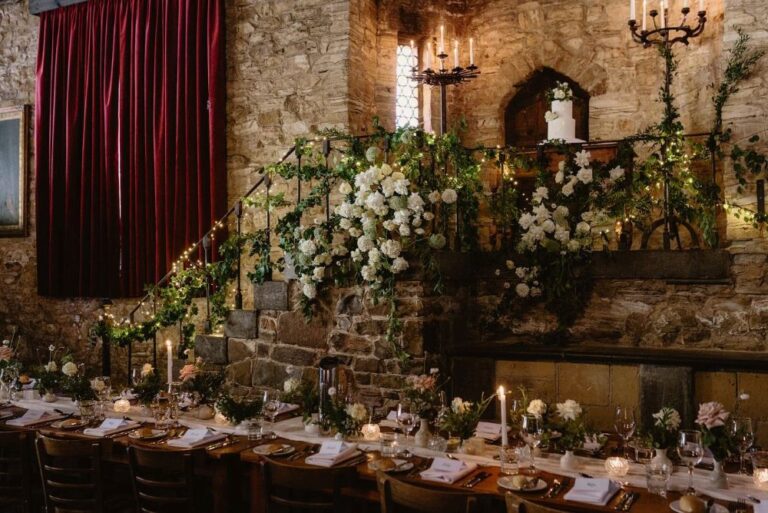
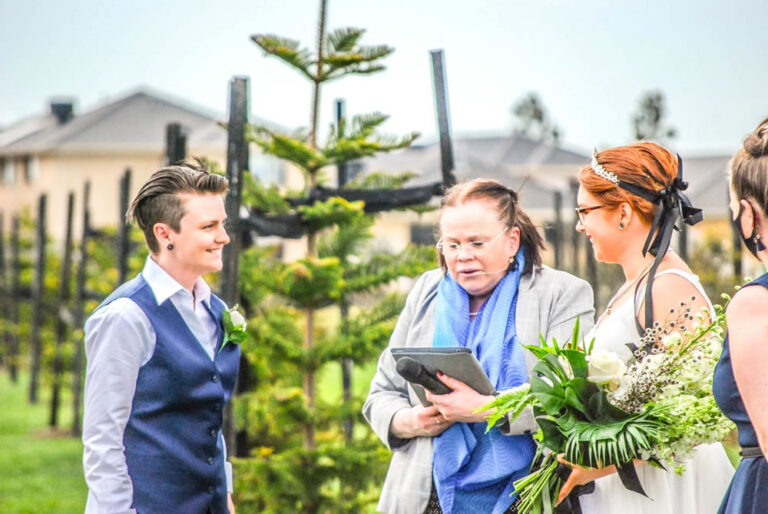
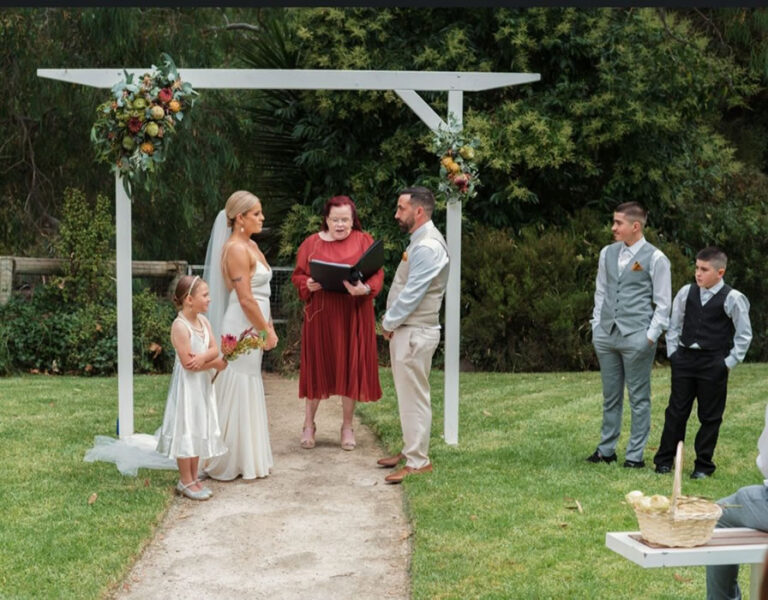
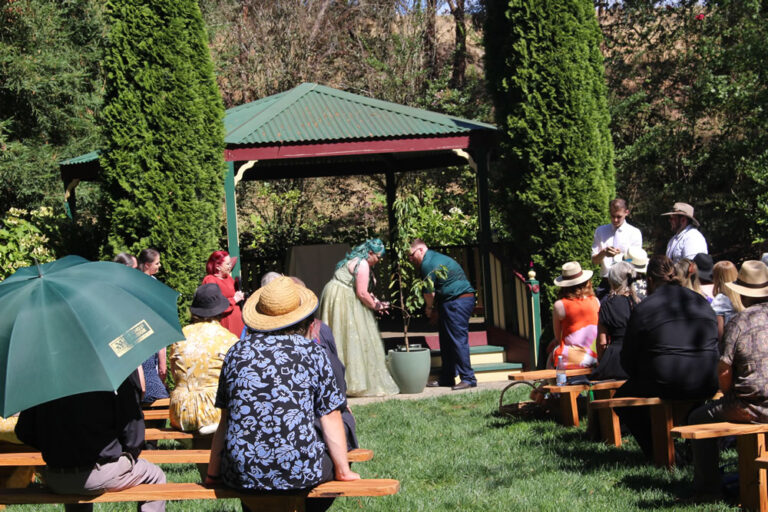
Planning a wedding in Victoria? Setting a clear dress code ensures your guests feel comfortable and confident, whether your celebration is a glamorous city affair in Melbourne, a relaxed winery reception in the Yarra Valley, or an elegant garden wedding on the Mornington Peninsula. This guide breaks down common wedding dress codes and helps your guests know exactly what to wear.
Why Dress Codes Matter
Dress codes give your guests guidance on what to wear, matching the tone and formality of your event. The right dress code not only complements your theme but also creates a cohesive atmosphere, making sure everyone feels confident and in tune with the occasion.
1. White Tie
What it means: White tie is the most formal of all dress codes, typically reserved for royal events, state dinners, or extremely formal weddings.
When it’s appropriate: High-end weddings, formal gala dinners, and evening events in grand venues. It is very rare for most weddings and parties to call for white tie, but it might suit lavish, evening affairs with a regal or vintage theme.
Attire
- For men: Black tailcoat, white bow tie, white waistcoat, formal trousers, and black patent shoes. A top hat or gloves may also be required.
- For women: A full-length evening gown, usually with luxurious fabrics such as silk or velvet. Jewellery and formal accessories like gloves are often expected.
2. Black Tie
What it means: Slightly less formal than white tie, black tie is still very traditional and calls for evening wear.
When it’s appropriate: Most common for formal evening weddings, gala dinners, or large charity events. Black tie is popular for elegant wedding receptions or formal affairs that begin after 6 pm.
Attire
- For men: A black tuxedo, black bow tie, white dress shirt, and formal black shoes.
- For women: A floor-length gown or an elegant cocktail dress. Darker, more formal colours are typically preferred.
3. Formal or Black Tie Optional
What it means: This dress code offers flexibility. Guests can opt for black tie attire, but it’s not strictly required.
When it’s appropriate: Ideal for formal weddings where the couple wants a traditional feel but doesn’t want to impose the full black-tie requirements.
Attire
- For men: A dark suit with a tie, or a tuxedo if they choose. It provides a bit more freedom than strict black tie.
- For women: A formal dress, a cocktail dress, or a sophisticated pantsuit.
4. Cocktail Attire
What it means: Cocktail attire bridges the gap between casual and formal, offering a stylish yet approachable option.
When it’s appropriate: Perfect for evening weddings, engagement parties, or semi-formal events. It gives a sophisticated but not overly formal vibe.
Attire
- For men: A dark suit with a tie, but no need for a tuxedo.
- For women: A knee-length or midi cocktail dress, a chic pantsuit, or a skirt-and-top combination.
5. Smart Casual
What it means: Smart casual allows for relaxed yet stylish clothing. It’s a step up from casual, with a more polished look.
When it’s appropriate: Often chosen for daytime weddings, outdoor receptions, or engagement parties. This dress code works well for less formal celebrations, including garden or beach weddings.
Attire
- For men: A collared shirt, chinos or dress pants, and loafers or dress shoes. No tie required, but a blazer can elevate the look.
- For women: A sundress, a smart skirt, or a tailored jumpsuit. Flats or dressy sandals work well for more casual settings.
6. Casual
What it means: Casual means guests can dress comfortably, but it should still be appropriate for the event.
When it’s appropriate: Casual dress codes are great for outdoor weddings, beach ceremonies, or backyard parties. This is common for smaller, more intimate celebrations where the focus is on comfort and informality.
Attire
- For men: A neat shirt, chinos or well-tailored shorts, and casual shoes.
- For women: A relaxed sundress, a casual skirt, or a nice top and trousers. Flat shoes or sandals are appropriate for this look.
7. Themed Dress Codes
What it means: Some weddings and parties may have a specific theme, such as vintage, bohemian, or tropical.
When it’s appropriate: A themed dress code is often chosen for weddings with a unique setting or personality. Destination weddings or quirky, personalised celebrations may call for guests to embrace a specific style.
Attire
This depends entirely on the theme, but be sure to provide clear guidance in your invitations or wedding website, so guests know what’s expected. For example:
- Vintage: Guests might wear 1920s-style dresses or suits.
- Bohemian: Flowy, natural fabrics and a more relaxed, earthy look.
- Tropical: Light, breezy fabrics and vibrant colours.
How to Communicate Your Dress Code
It’s essential to clearly communicate the dress code to your guests, especially if it’s something outside of the usual. Here are some tips:
- Wedding Invitations: Include the dress code in a corner of the invitation or on a separate details card.
- Wedding Website: Provide extra information or inspiration for guests unsure about what to wear.
- Social Media: Share outfit ideas or mood boards for themed or less common dress codes.
Final Thoughts
From Melbourne’s chic city venues to Victoria’s picturesque wineries and coastal locations, a thoughtful dress code sets the tone for your wedding. Clear guidance ensures guests are stylish, comfortable, and in harmony with the overall event, making your celebration unforgettable.
Further Reading
- Wedding Vow Examples for Melbourne Couples: Real Vows for Every Love Story
- The Groom’s Morning Checklist: Melbourne Edition
- How to Create a Wedding Atmosphere Guests Will Never Forget: The Complete Melbourne Wedding Guide
- Melbourne Wedding Photography Styles Explained: Traditional vs Documentary vs Fine Art
- Guest Comfort Checklist for Summer or Winter Weddings: Melbourne Edition
- The Complete Marquee Hiring Guide for Melbourne Weddings: Heat, Rain, Hidden Costs & DIY Reality
- Bridal Party Responsibilities Checklist: Who Does What on the Big Day
- The Ultimate ‘What to Pack for Your Getting-Ready Suite’ List: Essentials for Brides, Grooms, and Your Crew
- The 10-Item ‘End of Night’ Handover List: Who Takes the Gifts, Leftover Cake, and Decorations? Sorted
- Hot Weather Wedding Survival Checklist for Melbourne Brides
Next Step
Explore Vendors
Whether you’re planning a small, intimate gathering or a grand celebration, Wedding VIC has the perfect suppliers to help you create a truly memorable event in Melbourne and Victoria. So start browsing our directory today and find everything you need to make your special day unforgettable.